
Breath and Softening

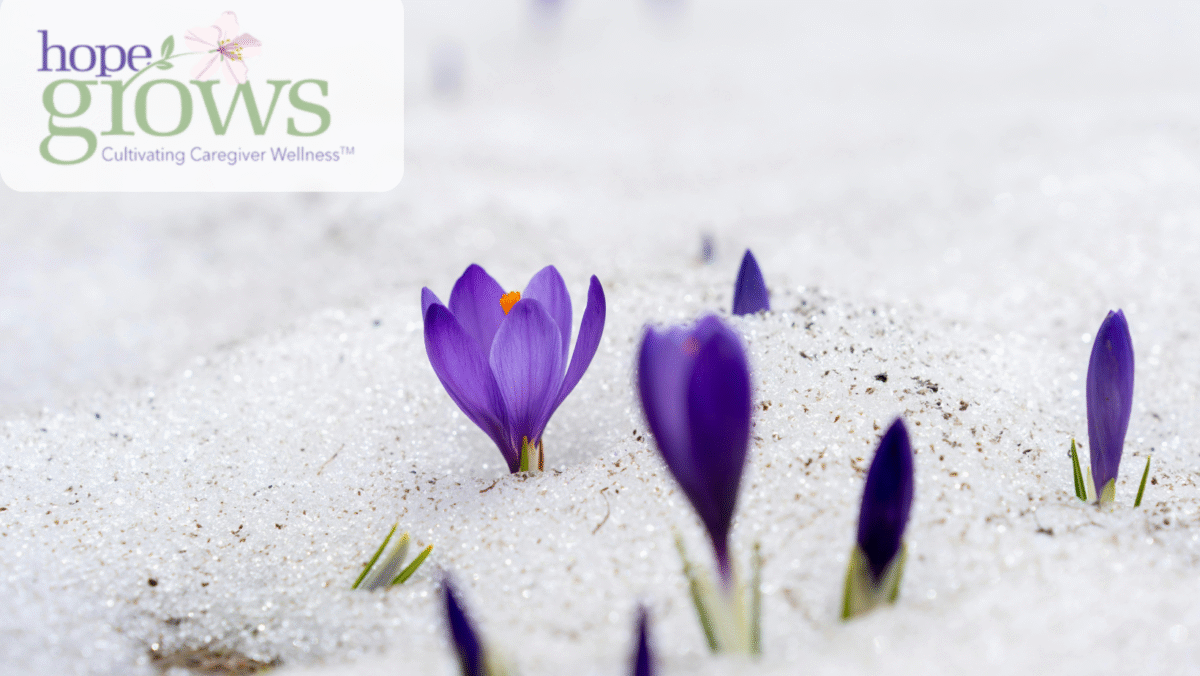
February asks very little of us—and that, in itself, can feel unsettling. This sure did apply with the latest storm that blanketed over 45 states recently. The calendar says winter is nearly over, yet the cold lingers. The light is returning, but not fast enough. We are told to look for signs of renewal while our bodies and hearts may still feel heavy, tired, or raw. This is often the month of holding on—not dramatically, but quietly. Breathing through what has not yet eased.
Our February focus is Breath & Softening, an invitation not to fix or push forward, but to gently support the nervous system as it carries grief, loss, caregiving fatigue, and the weight of uncertainty. It is about humility—acknowledging what we cannot control—and quiet resilience—the kind that does not announce itself, but endures.
When Winter Lingers in the Body
The nervous system is deeply influenced by season. Cold, darkness, and prolonged stillness can heighten stress responses, particularly for those already living with grief or caregiving demands. When loss is present, winter can amplify isolation and emotional numbness. When caregiving is ongoing, the body may never fully rest.
And sometimes, even when the snow rests beautifully on the branches of trees, there is no joy in the view. No peace. Just a sense of going on. This is where breath and softening matter—not as a cure, but as a form of companionship for the body.
Roman Chamomile: A Gentle Exhale
Roman Chamomile is known for its calming, soothing properties, particularly for the nervous system. Emotionally, it carries a message of reassurance—you are allowed to rest here.
Rather than energizing or uplifting, Roman Chamomile softens. It supports the parasympathetic nervous system, helping the body shift out of vigilance and into safety, even briefly. Inhaling the oil signals safety to the body and supports release.
Roman Chamomile does not ask you to feel better. It simply helps you breathe where you are.
Violet: Humility and Quiet Strength
Violet grows low to the ground. It does not compete for attention. It thrives in shaded places and often appears when the cold has not fully loosened its grip. As a symbol, Violet teaches humility—not in the sense of diminishing oneself, but in accepting life as it is in this moment. It reminds us that resilience does not always look like courage or optimism. Sometimes resilience looks like tenderness. Like staying present when things hurt.
Violet is traditionally associated with the heart and with grief. It speaks to those moments when sorrow feels too heavy for words, when strength feels quiet and unseen.
In February, Violet reminds us that survival does not require joy. It requires breath.
Breath as a Bridge
Breath is one of the few tools that gently bridges the gap between adversity and endurance. When grief, loss, or caregiving overwhelm the system, breath offers a way to soften without surrendering. This is not about calming the mind. It is about letting the body know it does not have to brace every moment.
When the Beauty of Nature offers No Peace
There can be a quiet shame in not feeling comforted by nature when others say it should help. Snow-covered trees may be objectively beautiful, but grief can block access to wonder. Caregiving can drain the capacity for delight.
And that is okay.
Nature does not require us to feel anything specific. Winter teaches endurance through stillness, not through joy. Trees do not bloom prematurely because the calendar changes. They wait.
So can we.
February’s invitation is not renewal—it is softening into what remains unfinished. Breathing alongside what lingers. Trusting that humility and quiet resilience are not failures of faith or strength, but expressions of wisdom.
Even when peace feels absent, the breath is still available.
Even when joy does not arrive, softening can.
And sometimes, that is enough for now.
Written by Lisa Story, MSCP, LPC, CT
Founder of Hope Grows
Focus of the Month: Breath & Softening
Essential Oil: Roman Chamomile
Flower: Violet