Botanical of the Month: November

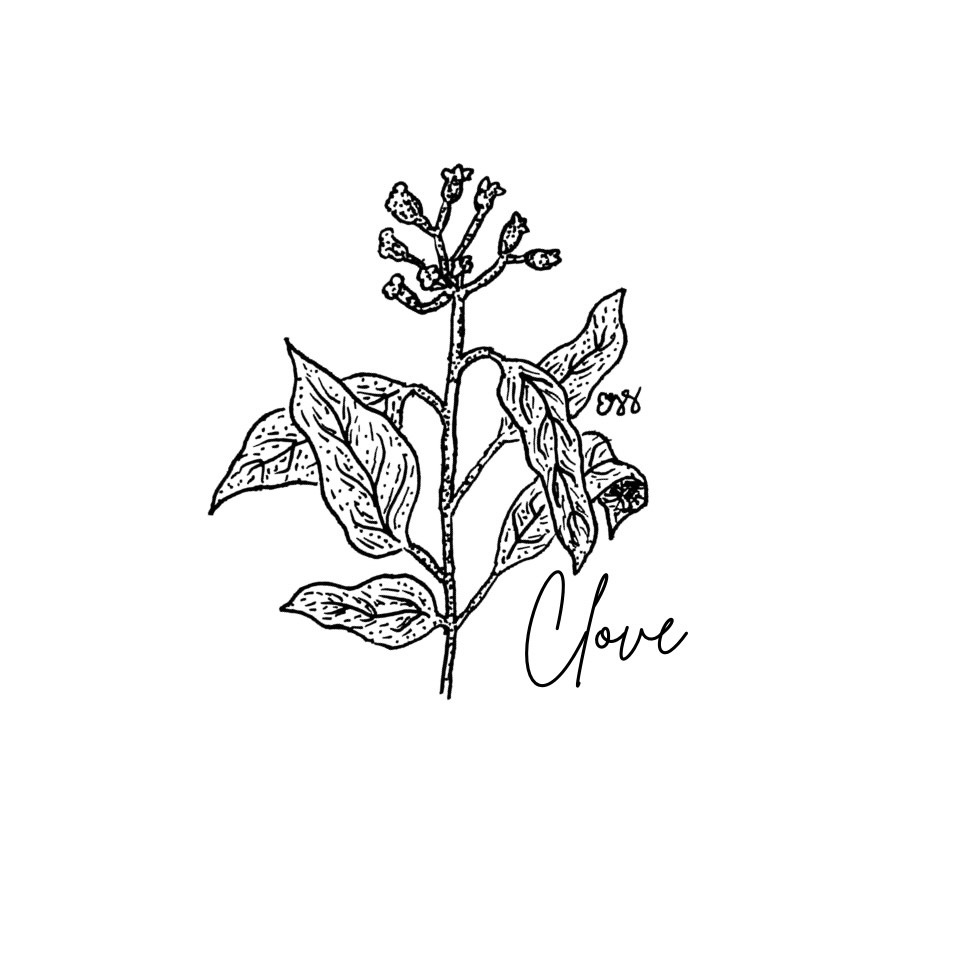
November Healing Plant:  Clove (Syzygium aromaticum)

Doterra Essential Oil:  Clove

Rishi Tea:  Masala Chai

In the language of flowers, clove stands for dignity, being worthy of honor and self-respect. This makes me want to keep a steady supply of fresh cut clove flowers in every room.  This would be quite a challenge in Pittsburgh though, as clove trees, native to the Molucca “Spice Islands” of Indonesia, only grow in tropical environments, takes 8 years for a first harvest, and 20 years to reach maturity!  Cloves are actually the unopened flower buds of the clove tree.  This “flower spice” must be harvested with the greatest care, by hand, just before the buds open, and then dried by experienced growers on palm mats in the sun for 4-5 days, which turns them the familiar brown color they have when we purchase them.  Fitting that a spice requiring such careful handling would signify human dignity, something never to be mishandled.  Interestingly, I also found clove can mean loving someone without that person knowing.  How many times has a person buried feelings of love for someone else, so as not to appear undignified?

Derived from the Latin word “clovis,” meaning nail, dried clove flower buds resemble the shape of nails, making them ideal for studding orange pomanders.  And, as the second part of the Latin name, “aromaticum,” says, they are highly aromatic.  Known for its mouth cleansing abilities, you will often find clove in toothpastes and mouthwashes.  Records from China’s Han Dynasty, in 202 B.C.E., show that anyone who came to see the emperor was actually required to chew cloves to sweeten their breath, before they saw him.  The next time you are in front of someone with bad breath, try handing them a clove.  Ok, so it sounds like an awkward moment, but doesn’t have to be!  Lots of people get bad breath.  It may actually spark an interesting clove conversation. 

Archeological remnants have been found dating culinary uses for clove all the way back to 1700 B.C.E.  Mexican, African and Middle Eastern cooking all have multiple uses for cloves and, as an essential spice in Indian cooking, it’s one of the standard ingredients in garam masala, chutney and curries.  It can be found in teas, as a mulling spice, in countless baked goods, and is an integral part of chai-the popular spicy Indian tea with cardamom, cinnamon, ginger, black pepper and black tea.  Medicinally, it can be chewed or taken as a tea for a digestive aid.  Ironically though, after making so many foods taste great, clove oil is actually used in dentistry as a numbing agent for toothaches, and has even been included in tooth fillings for ongoing pain relief!

Around the fall and winter holidays, you will often see interesting designs of cloves studding orange pomanders.  As the orange dries, it releases its delicate and spicy aroma.  During the Middle Ages, these pomanders were actually used as herbal amulets worn around the neck, or placed around the home, as protection from negativity, harm and jealousy.  Herbs and spices were put in cloth bags or perforated boxes to ward off viruses, bacteria or illness, as well as in hopes of bringing strength and good fortune.  Clove folklore says that when cloves are worn or carried in a pocket, they will attract the opposite sex, or, when worn or carried by someone who has suffered emotional loss and is bereaved, they will provide comfort.  When burned as incense, it is said to stop people from gossiping about you.  And, sucking on 2 whole cloves without chewing or swallowing supposedly curbs the desire for alcohol.  Strangely enough, each one of these scenarios, should they come true, could easily influence a person’s sense of dignity.  That said, no matter how you choose to use this fascinating spice, may it always keep you dignified. 
Phyllis’s Story: Self-Care is Key

It was one day as she walked out the door on her way to work, trash bag in hand, and checking items off several mental lists she carried in her mind, that the thought fully formed into words. “I am a primary caregiver.”

Phyllis has experienced caregiving twice in her life, first for her father, and now continues to do so for her close friend and roommate, Ruthie. Phyllis and Ruthie had always shared household expenses and tasks throughout the more than two decades they’d known each other and Ruthie’s quick humor, a pension for telling a good story, and easy manner had been a helpful balance to Phyllis’ more serious nature.

Why Having Someone Who Understands You Is So Important

Self-Care is Key

But it wasn’t until that moment that the diagnosis of Parkinson’s reared its head and shifted the balance of their lives so that the word caregiver took on its most personal meaning. Phyllis encountered Hope Grows when founder Lisa Story visited the Parkinson’s Foundation. It was at the South Hills Movers & Shaker’s support meeting that the term, “Caregiver” came up again. Lisa Story presented Hope Grows’ mission, services, and a therapeutic activity at that Parkinson’s Foundation of Western Pennsylvania sponsored group. It was during that presentation that a window of hope opened, and a much-needed balance seemed possible again.

Her emphasis on mindfulness resonated with Phyllis, who when the opportunity came again, immersed herself with Hope Grows. The focus on self-care helped Phyllis to recognize that she must care for herself in order to care for her care receiver to the best of her ability. She believes that the most important thing Hope Grows teaches is self-care and is key in supporting and ministering to caregivers.

Positive Affirmations for Caregivers

Hope Grows Respite Care

With the balance of the relationship changing, their mutually caring relationship again emerged through the Hope Grows respite care, training programs including Powerful Tools for Caregivers, and consistent support and the understanding of friends and family.

Phyllis loves the purpose of caregiving because in caregiving you are truly making a difference in someone’s life. She believes that by caring for someone, you are “honoring your commitment to them and their relationship.” Despite the way the relationship has evolved and interactions differ from the past, there is great love and subtle satisfaction in doing what you can for your loved one.

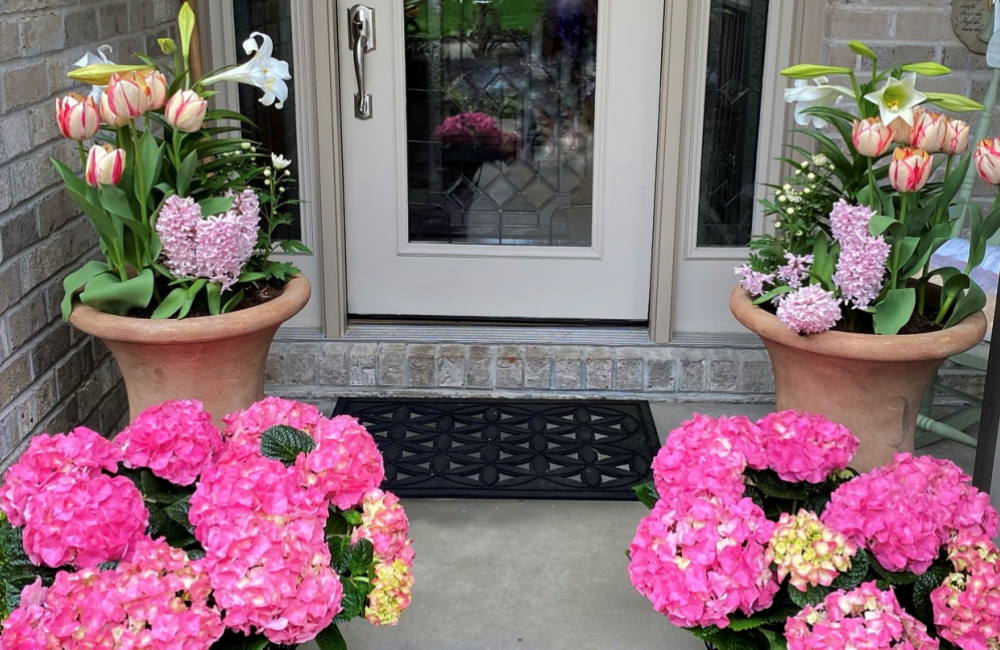
Hope Grows helps Phyllis to feel better and be at peace through the environment and people, who foster rest and support. She likens Hope Grows to your favorite cozy chair – relaxing yet supportive. Phyllis enjoys the respite activities that Hope Grows conducts because of the wonderful perspective they provide and programming where Ruthie can participate. She loves to visit the Hope Grows property and walk through the gardens which remind her to pause in order to incorporate mindfulness and practicality into life. Phyllis cannot decide which garden is her favorite because of their uniquely beautiful properties, but she does enjoy the seasonally rotating potted plants at the Iris Respite House entrance because they remind her to recognize the beauty in the change.

How We Support Caregivers

Creating a Sense of Belonging

Phyllis recounts some of her favorite experiences with Hope Grows to be the teas and the Powerful Tools for Caregivers workshop. The Powerful Tools for Caregivers program moved Phyllis significantly and she describes it as light but useful and serious, in addition to one of the best experiences of her caregiving life. The teas are special times with peers who understand the caregiving journey and allow each unique story to be heard and recognized. These events give perspective and create a sense of belonging within the community.

Upcoming Caregiver Events

The best advice Phyllis has for other caregivers stems from the thought caregivers encounter all to often: I’ll just do this one more thing that will help my care receiver.” It is often that “one more thing” done as exhaustion sets in that creates havoc with our own health and well-being. She recommends holding back the urge to do so and taking those few minutes to care for yourself. Making intentional moments of self-care allows a caregiver to remove tension and stress, benefitting themselves and their care receivers.