How to Find a Senior Living Community


While finding a good senior living community might seem complicated, focusing on important issues make it easier.

Cultivating Caregiver Wellness
While finding a good senior living community might seem complicated, focusing on important issues make it easier.
The Think Caregiver™ Simple Self-Care Suggestions from Hope Grows can help caregivers clear their mind and list their spirits.
Every expert advises seniors to downsize when they are preparing to move into a smaller residence in their golden years. But letting go is not that easy.
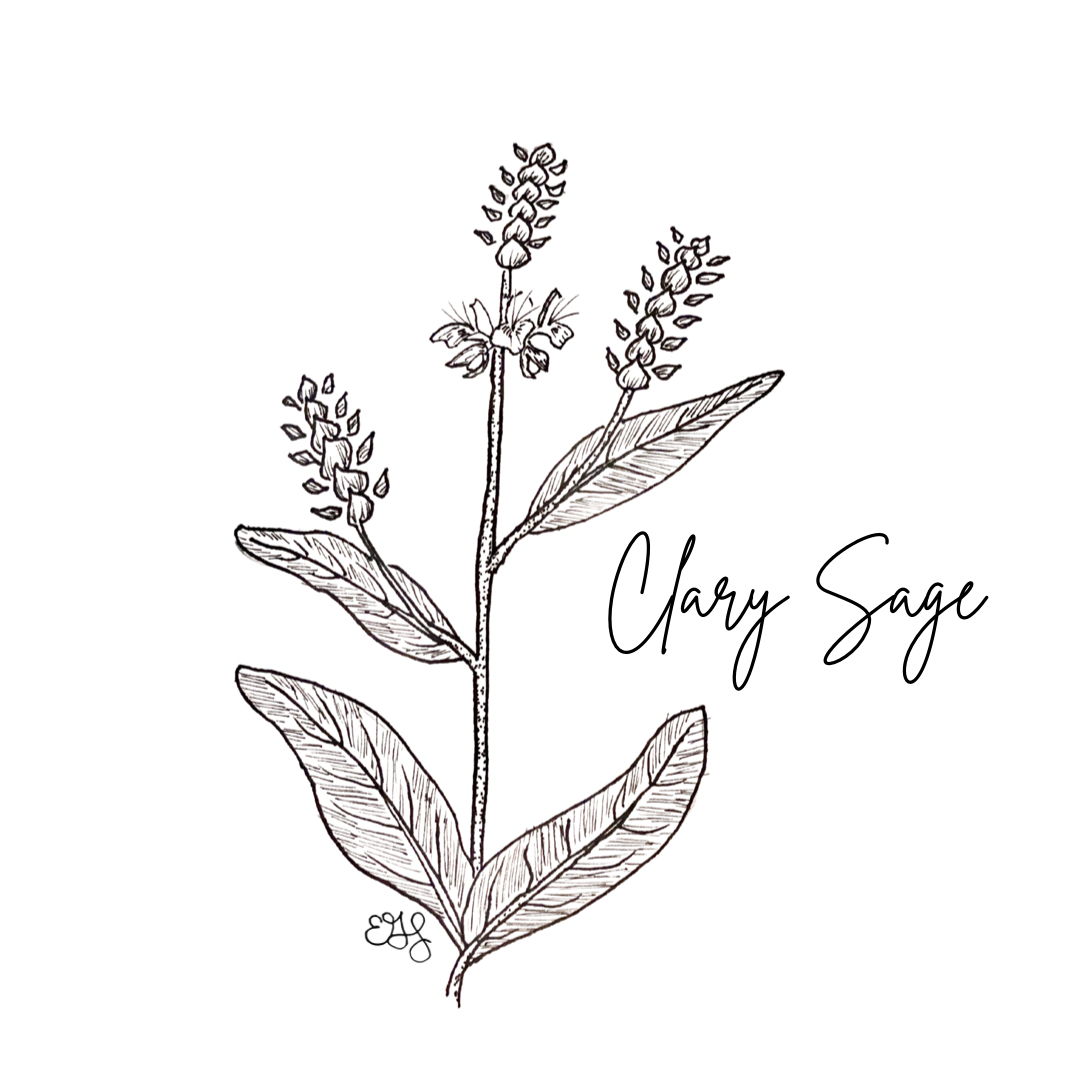
Herb of the Month: Clary Sage (Salvia sclarea)
Doterra Essential Oil of the Month: Clary Sage
Rishi Tea of the Month: Peppermint Sage
In the language of flowers, clary sage represents “clearing the mind,” and “uplifting the spirit.” Derived from the Latin word “claris,” meaning “clear,” the plant earned its common name(s) after being used for centuries to help remove foreign objects from one’s eye. Hence, the many names it has been known by over time: Clear Eye, See Bright, Eyebright, Clarywort, and even Oculus Christi, or “Eye of Christ,” in the Middle Ages. The eye treatment is long gone, but the name remains. The Latin name “Salvia,” denoting one of the many varieties of sage, comes from the words “salvare,” which means “to save,” or “make healthy,” and “salvere,” meaning “to be well,” or “in good health.” Not to be outdone by its sage cousins, clary sage embodies its Latin name too, offering clarity and healing to more than just our physical eyes.
As an essential oil, it’s a go-to for stress relief, helping to calm anxiety and regain one’s clarity of focus. This oil is one of a few essential oils with a high percentage of “esters,” chemical compounds known for their anti-inflammatory properties and considered balancing and soothing to the sympathetic nervous system. They are the chemical contribution behind the uplifting feeling one gets from inhaling clary sage. This plant possesses some of the highest amounts of ester linalyl acetate, also found in another one of our favorite stress relievers: lavender (June’s pick of the month)! Both from the mint plant family, these two oils are sometimes mixed together in aromatherapy for use as a calming and uplifting additive to one’s bathwater or diffuser. This nighttime bath regimen is highly recommended for anyone suffering from insomnia.
Clary sage is closely related to the common sage (Salvia officinalis) we are so used to seeing in the kitchen, but only the young and tender leaves are used for culinary purposes. Native to the Mediterranean basin, parts of North Africa, and Central Asia, it grows twice the size of its common sage cousin and is considered a biennial. In its second year, it blooms in whorls of white, lilac, pink, or mauve flowers and the essential oil is steam distilled out of the flowers and leaves. It can be made into a tea and is also used to flavor wines, vermouths, and liquors. On an environmentally friendly note, it’s been used as a fixative in the fragrance industry since the 70s, helping to chemically bind scents, in place of a product only found in whales. (Yay!)
Nicknamed the “woman’s oil,” clary sage is also known for its ability to support and regulate the female reproductive system, treating symptoms of PMS, menstrual discomfort and menopause. There’s that linalyl acetate compound again, providing some pain relief. Linalyl acetate also supports the herb’s ability to soothe skin inflammation and balance the skin’s oil production. Because of this, you will often find clary sage combined with jojoba oil for use as a moisturizer. In Ayurvedic medicine, it is used as a healing tonic that brings balance to the 3 doshas (vata, pitta, kapha). And, in chakra work, clary sage is recommended for use with both the sacral and third eye chakras, where it helps dispel confusion, and promote strength, emotional balance, and relaxation.
View the first video for Hope Grows in 2022 here! Watch for more videos to come as we lead up to the opening of the Iris Respite House!
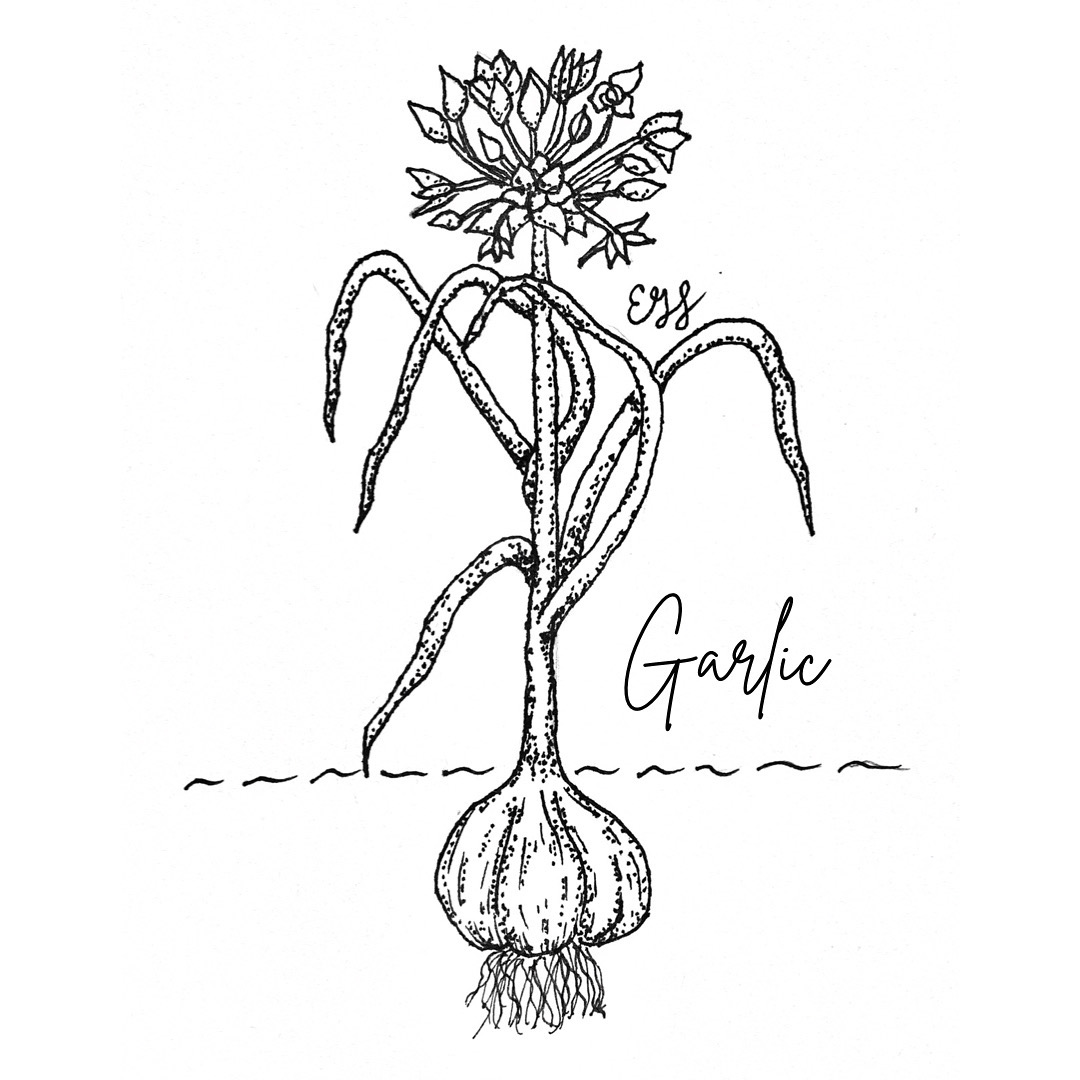
July Healing Plant of the Month: Garlic (Allium sativum)
Doterra Essential Oil of the Month: Cassia
Rishi Tea of the Month: Fuding Silver Needles Vintage 2022
Garlic, our healing plant for July, represents courage of mind, body and spirit. Not only has it been turned to for thousands of years, in cultures throughout the world, for its protective and healing attributes, but it’s also been relied upon as a source of stamina and strength for anyone facing daunting odds. Ancient Greek soldiers ate garlic before going into battle for inspiration and courage. Ancient Greek athletes would take garlic before a competition. Odysseus used garlic to prevent the sorceress Circe from turning him and his men into pigs. It was dedicated to Mars, the Roman god of war, and the Romans believed if a man chewed garlic during his footrace, no one would pass him. Egyptians fed it to the slaves building the pyramids to ward off illness and increase strength and endurance.
Islamic legends say that when Satan left the Garden of Eden, after the fall of man, garlic arose inside of his left footprint and onion in his right. Before I started researching this plant, I was sure it meant something along the lines of protection. After all, everyone knows that garlic is supposed to ward off evil, vampires, werewolves and the like. And that’s not just in our culture. Sailors have carried garlic on board in hopes of protection from shipwrecks. Garlic wreaths outside a house’s door will ward off witches and psychic vampires. Matadors often wear garlic around their neck for protection during a bullfight. And one clove on a string around the neck is said to protect travelers, although see if anyone wants to sit next to you on the train when you’re wearing one.
Garlic has earned the reputation of being “as good as 10 mothers” for good reason. Medicinally, it’s been lauded for its role in reducing high blood pressure, cholesterol and blood sugar, boosting immune function, as well as guarding against heart disease and cancer. Apparently, though, this is nothing new. Hippocrates, the “father of medicine,” recommended using it for pulmonary complaints. Sanskrit records actually show its medical use 5000 years ago, Chinese records 3000 years ago and, the surviving Indian medical text, “Charaka-Samhita” recommended using garlic for the treatment of heart disease and arthritis 2000 years ago!
I can see why this plant is associated with courage. In France, it’s been referred to as the “Theriac of the Poor,” or the poor man’s heal-all. Called “the Russian penicillin,” its antiseptic qualities were called upon to prevent infection when it was used on soldiers’ wounds during World War II. During the Bubonic Plague, garlic merchants were actually found to die less often. Like today, people wore masks for protection, but took it a step further and soaked them in garlic-steeped vinegar. And, during the flu epidemic of 1918, people wore necklaces of garlic when they went out in public. Can’t say that I’ve seen that during Covid. In all of these situations, garlic’s protective and medicinal qualities must have afforded people some much-needed courage in the face of humbling, life or death, fear and adversity. And to think, I just put it in soups and stir-fries without thinking. I don’t think I will ever look at it the same way again.