How To Protect Your Peace: Setting Boundaries & Knowing Yourself

In thinking about this month’s focus, “Protecting Your Peace,” I began MY life. What does it mean to “protect your peace?” Protecting your peace often starts by identifying what’s weighing on your soul. In my story, I found out I was expecting early in my new marriage. Although young and scared, we made our child and her well-being our priority, setting boundaries that supported a calm and nurturing home. 

In caring for her needs, I was also protecting our peace and modeling what a balanced life could look like. However, I know that’s not always how the journey begins. Whether you’ve been practicing for years or are just starting to pay attention to your own well-being, Hope Grows’ counseling services and resources can offer guidance along the way. To start, here are the basics of protecting your peace.

The Meaning Of Protecting Your Peace

Protecting your peace means identifying and addressing what makes you feel uneasy and making choices that honor your emotional, mental, and spiritual well-being. At the heart of this practice is self-awareness. When you know what drains you, what restores you, and where your limits lie, you begin to live with more intention. The key is learning to recognize your limits without guilt and giving yourself permission to step back when your soul needs space.

Unfortunately, it can be hard to gain those skills alone. Virtual mental health counseling can offer support, insight, and a safe space to grow your awareness and confidence, right from where you are

In the sections that follow, we’ll explore how to identify your personal peace-disruptors, set boundaries with compassion, and develop habits that help you return to yourself whenever you’ve been disconnected for too long.

How To Protect Your Peace Online

Watching my children now raise their own families, I’m struck by how technology and media seem to reach into every part of our lives, shaping values, overwhelming attention, and quietly disturbing our peace of mind.

The internet may be loud and fast, but we still get to choose how we move through it. We can lead with values, model thoughtful engagement, and set boundaries that protect both our own well-being and the emotional safety of those around us. Here’s where to begin:

  • Open Communication: Make space for ongoing conversations about how online content impacts emotions, thoughts, and values. This can be a conversation with a loved one, professional, or even a journal practice — whatever gets the conversation started and ongoing.
  • Model Thoughtful Engagement: Use technology in a way that reflects your values. Take intentional breaks, avoid doom-scrolling, and engage with content that uplifts or informs.
  • Create Digital Boundaries: Designate tech-free times or spaces in your home. Protect the quiet parts of your day from digital noise.
  • Supervise With Curiosity, Not Control: For kids and teens, stay involved in their digital life with a spirit of curiosity. Guide rather than monitor.
  • Practice Content Discernment: Ask yourself: Does this content feed my peace or drain it? Choose sources and voices that align with your well-being.
  • Support Digital Education: Encourage schools and community spaces to prioritize digital literacy, emotional intelligence, and respectful online interaction.

How To Protect Your Peace At Work

Peace at work is often disturbed in quiet, persistent ways, including through constant interruptions, unmet expectations, or the subtle pressure to do more than you’re able. As so many of us spend the bulk of our waking hours in these environments, how we move through our workday matters. Protecting your peace at work isn’t about control; it’s about intention.

  • Know Your Limits: Sometimes, perfectionists, people-pleasers, and highly ambitious people take on more work than they can handle in a healthy way. Before you sign up for extra work or take on another project, take a moment to ask, “Can I really handle this?” Honor your response.
  • Protect the Edges of Your Day: Begin and end your workday with something that belongs to you, reading, movement, stillness, or anything else that you love. This helps to ensure that work doesn’t spill into every corner of your life.
  • Tend to Micro-Moments: A deep breath between emails or a pause before a meeting may seem small, but over time, these moments recalibrate your energy and mindset.
  • Don’t Confuse Urgency With Importance: Just because something demands your attention doesn’t mean it deserves your peace. Pause before reacting.
  • Let Silence Do the Heavy Lifting: Not everything needs a response. Sometimes your calm presence is more powerful than words.

How to Protect Your Peace at Home

Home should be a place of rest, safety, and alignment with your values. It’s where we not only recover from the world but also shape how we move through it. As I studied psychology, I was especially drawn to Kohlberg’s theory of moral development, which teaches that true moral reasoning stems not from fear or reward, but from an internal sense of justice and compassion.

This kind of ethical clarity begins at home. When our living spaces support our values, they nurture our peace and growth. We can protect our peace at home through practicing presence, boundary-setting, and care. Here are some ways you can put the practice of protecting your peace at home into action:

  • Create Rhythms, Not Just Routines: Instead of strict schedules, lean into steady rhythms that honor your energy. Light a candle at the same time each evening, take a walk after dinner, or pause for five minutes of stillness before bed. Let peace be part of your daily flow.
  • Clear Clutter With Care: A cluttered space can lead to a cluttered mind. You don’t need to go minimalist, just tend to your surroundings with attention and intention. A tidy space can open up room to breathe.
  • Protect Quiet Time: Whether you live alone or with a full house, carve out small moments of quiet just for you. Even ten minutes behind a closed door can help you return to yourself.
  • Speak Gently: The words we use at home shape the energy in our space. Try softening your tone and offering grace in moments of frustration, including with yourself.
  • Make Space for Joy: Don’t just manage your household, make space to enjoy it. Add beauty where you can. Say yes to a slow breakfast. Laugh more. Joy is a form of protection, too.

How To Protect Your Peace With Others 

Relationships are a core part of life, but they can also be where our peace is most easily lost. Even with the people we love, not being understood and experiencing emotional overextension can leave us feeling unmoored. Protecting your peace helps you choose how you show up and what you’re willing to hold.

  • Choose Connection Over Control: You can’t change how others think or act, but you can choose how you respond. Focus on staying grounded in your own values rather than trying to manage someone else’s behavior.
  • Respond, Don’t Absorb: Other people’s emotions are theirs to carry. You can listen with compassion without taking on what isn’t yours. It’s okay to care deeply without carrying everything.
  • Know When to Step Back: Not every conflict needs to be resolved right away. Sometimes peace looks like pausing, taking space, and returning to the conversation when clarity, not defensiveness, is leading.
  • Speak What’s True and Kind: Honest communication protects your peace more than silence ever will. Express what you need with clarity, but do so from a place of care.
  • Let Love Be Spacious: Real love isn’t clingy or urgent. It has room for breathing, boundaries, and differences. Relationships don’t have to be perfect to be deeply meaningful; they just need mutual respect and space to grow.

How To Protect Your Inner Peace

Sometimes, the greatest threat to our peace isn’t the outside world — it’s the quiet pressure we place on ourselves. The inner critic, the unrealistic expectations, the guilt for resting, or the tendency to keep going even when our bodies ask us to slow down. Protecting your peace with yourself is about learning to become a softer, more faithful companion to your own heart. Here are some practices to implement to help protect your inner peace with yourself:

  • Make Rest a Non-Negotiable: You don’t have to earn rest. Build it into your life the way you would a meeting or a task. Let stillness be something you’re allowed, not something you have to justify.
  • Be Honest About What You Need: Don’t wait until you’re breaking down to check in with yourself. Ask often: “What are my emotional, physical, and spiritual needs today?”
  • Relax: You’re not here to be efficient. You’re here to be whole. Let go of the pressure to always be doing, and allow yourself time to simply be.
  • Honor Your Inner Voice: Intuition is a kind of wisdom. When something feels off, listen. When something feels right, trust it. Your inner knowing is part of your peace.
  • Forgive Yourself Often: You’re going to get it wrong sometimes. Be tender in those moments. You deserve grace.

Protecting Your Mental Health: Hope Grows Has a Helping Hand

Peace of mind doesn’t happen by accident. It’s cultivated through intentional habits, such as prioritizing rest, setting boundaries, connecting with nature, and engaging in things that restore rather than drain.

So take a breath. Turn off the noise. Step outside. Protecting your peace creates a ripple effect for your heart, soul, family, community, and the next generation.

At Hope Grows, we take a comprehensive approach to mental health counseling and offer virtual support to meet you where you are. Whether it’s through quiet reflection, time in nature, or a compassionate conversation, we’re here to help you hold onto your peace, even when life feels unsteady. Reach out when you’re ready. Your well-being matters.
Finding Meaning in Life

I am an early riser. Most mornings, I awake before the sun and I sit and sip my coffee or tea and listen to the sounds of nature. Right now, the morning is filled with bird song and the exchange of different melodies. I learned that 90% of wildlife, including some of the Audubon population, mate for life; however, the majority of songbirds’ only mate for a season.

With this month’s focus, I ponder the meaning of life. It appears that the wildlife’s search for meaning only includes food, water, shelter, and safety; the daily efforts of survival. At least it looks that way from my window (except when you catch a baby fox that wondered into the trap destined for the destructive groundhog; a game of catch and release).

I digress for a moment and then joyful singing becomes the focus again. I always thought joyful music came from the birds until one day, when I heard different sounds – in particular, a robin. I was surprised at the change in the melody and then noticed a disruption of the nest and the loss of their eggs and young. Researching the possibilities of grief among wildlife, I learned that birds have legitimate cries of sadness.

Human loss and the sounds of sadness are profound as well. Grief, the normal and natural reaction to loss – any loss – is different for everyone. While mourning is the process that one goes through in adapting to the loss, bereavement is the period that defines the loss to which the person is trying to adapt.

Grief is experienced emotionally, cognitively, physically, spiritually, socially, economically, and behaviorally. While these experiences are not inclusive, it can affect every part of us. The deepest of these is spiritual. At least, that has been my experience, along with most of those I have provided support for. The loss of purpose and meaning in life can rock us to the very core of our existence.

At Hope Grows, we talk a lot about loss, and not just loss from death. Loss is painful. The first night of the graduate grief class I teach involves naming and listing everything that represents a loss. As students engage, the loss of a job, a relationship, a car, a passing grade, the ability to walk, and freedom, to name a few, begin to fill the chalkboard. Soon, an exchange regarding the loss from the death of someone is shared. Discussion evolves to the ability to pivot in difficult situations.

Last month, we shared an article about pivoting and if we focus on what matters most and align our actions with our values, a more meaningful and fulfilling life is the result. Does this really apply though, when struggling through loss? And then, what happens when someone loses their way? Finding and having meaning in life is imperative to good overall well-being, so we are told. It is also at the core of spiritual health.

I, for one, believe that society is in a period of mourning, one of chronic pain that sees no end. The news portrays a society that appears to be challenged from a loss of self, purpose, and identity; spirituality seems to be missing. As mental health needs rise, the cries of sadness seem to go unheard. Mental health needs are at record highs. Young teenagers are flocking to the ER hospitals for depression and anxiety, people are afraid for their safety, the older population struggle with moving from the home they loved, family caregivers are stressed with increased demands, and thirty somethings are struggling to find their way in the job market.

The chronic pain goes on and on, but then, just like in nature, the sounds of sadness can change. How do we help society change the sound of its cries? When one’s soul goes off-center, the antidote is compassion and kindness. Human spiritually evokes existential questions about suffering and meaning, and any validation can help nourish a tired and weary soul, providing a sense of comfort and connection.

I have been in chronic pain (loss) most of my life, physically and spiritually. I have a degenerative spine, arthritis and stenosis, Chronic Fatigue, Lyme’s disease, and several other chronic viruses that go in and out of remission. I’m not sure how long I have had these viruses, since most of adult life doctors always pushed the symptoms aside by calling them “acute” and that it was “all in my head.” It wasn’t until I found a wonderful Doctor of Osteopathic Medicine who became the compassionate and kind soul, validating my symptoms and applying the correct testing to locate the problems.

My apologies, I digress again, but my point is that I had empathy, understanding, and encouragement of practical support. I was then able to explore the deepness of the pain and implement self-care practices that worked. Keep in mind, whatever the loss, it requires a holistic approach that addresses the symptoms, the emotions, and the spiritual needs.

One way to support someone in pain, whether it be individual loss or the societal loss that I was referring, is community. We need to come together and spread kindness. Just like the child blowing the seeds of the spent dandelion into the wind, new growth can happen.

Other ways to help someone in chronic pain, whether it is physical, emotional, or spiritual:

  • Empathy and understanding
  • Encouraging self-care practices
  • Providing practical support
  • Encouraging connection and support
  • Promoting spiritual exploration.

Check out our simple suggestions in this week’s “Think Caregiver” email for further tips on this topic.

In summary, helping someone with chronic pain involves addressing their physical symptoms, emotional well-being, and spiritual needs with empathy, compassion, and practical support. By attending to the person’s holistic needs, you can contribute to their healing journey and support their overall well-being, including – and most importantly – the health of their soul. Keep in mind, a dose of nature can be helpful too!

Written by Lisa Story, MSCP, LPC, CT
Hope Grows Founder & Clinical Director

The Ability to Pivot

The ability to pivot in tough situations is a hallmark of resilience and is worth focusing on this month as winter changes to spring. Blossoms are plenty this time of year as the trees, bushes, spring bulbs, and perennials begin to erupt with beauty. However, as the weather doesn’t know how to make up its mind from cold to warm, and then cold again, the ability to pivot becomes the nature of the game (no pun intended).

For me, pivoting from winter to spring is always difficult. While I love the new blossoms, I thrive in the winter with “internal regrouping,” as I call it. The snow and cold of winter contribute to my deep, inward thinking and reflection. However, with the past couple of winters not being very cold and snowy, I feel like I have not had the break my soul needs.

None the less, as I reflect about this topic of pivoting, my birth order comes to mind. Being the youngest of six children, I believe I had an inner strength that was different than those around me. Was it my place in birth order, being one of 46 first cousins or having nieces that were closer in age to me than their parents, who were my siblings? Or did it have something to do with the fact that I was being raised by the village, not just my parents? Not sure of the reason, but my ability to pivot I believe is deeply connected to my inner spirit. The ability to draw upon my inner strength creates a resiliency that helps to adjust my mindset to manage effectively and put in place coping skills. 

Throughout evolution, organisms have developed various adaptation mechanisms to survive in changing environments. These mechanisms include physiological, behavioral, and psychological traits that allow organisms to adjust to new conditions. Humans, as a part of these organisms, inherit this adaptability, which contributes to their ability to pivot in tough situations.

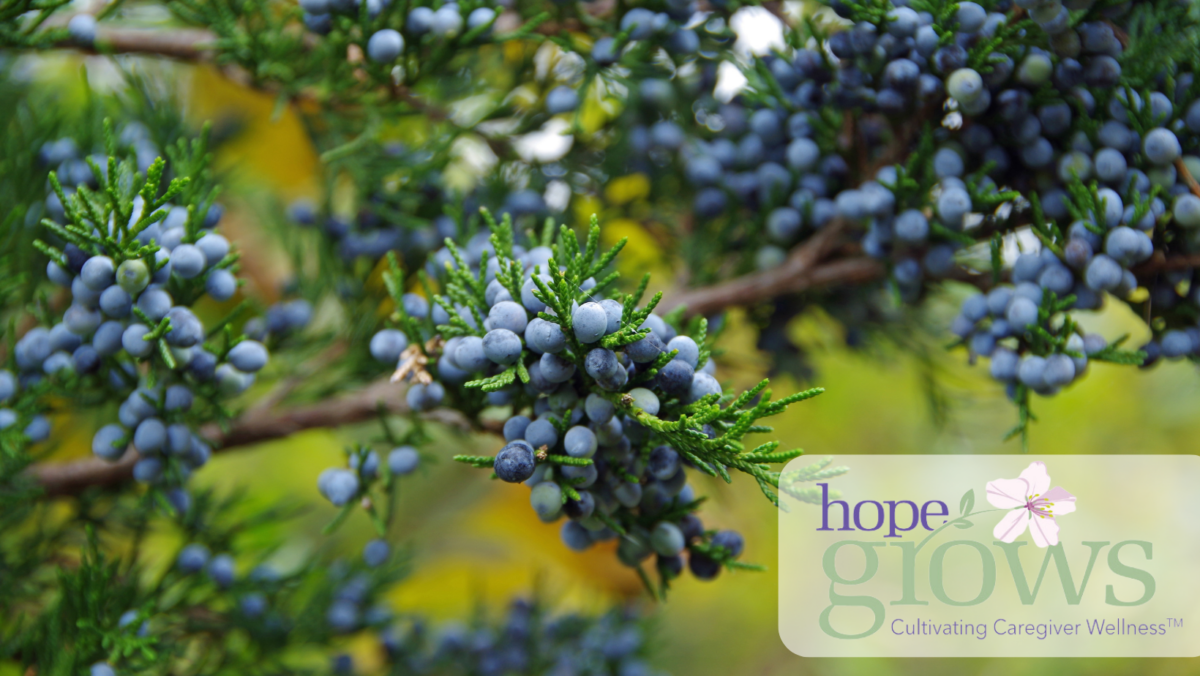
The ability to pivot refers to the capacity to bounce back from adversity, challenges, or difficult circumstances, and what a better essential oil choice this month than the arborvitae. The majestic and strengthening properties of this tree are not only grounding, the tree often lives for over 800 years – Arborvitae means “Tree of Life”. The emotional properties of this essential oil mean Divine Grace. Engaging with this oil can help with relaxation, breathing deeply and trusting in the flow of life. Perhaps I should use this oil as I transition during this time of year.  

All and all though, it takes resilience to be able to pivot. While the arborvitae is resilient, humans have to implement strategies. One strategy is to remember and recognize the times where you have successfully pivoted in tough situations. When we remember success, we can then continue to promote resilience as a valuable skill that can be cultivated and strengthened over time.

Staying strong, holistically, is important too. I will admit though, the older I get, the harder it is to stay strong. Some days it feels like it takes twice the effort to do certain things and my resilience and ability to pivot is affected. I reflect at what is going on in my life; an overloaded schedule, not cultivating the earth, and not taking enough time to “stop and smell the roses.”

Whatever the reason, cultivating resilience, adopting a positive mindset, embracing adaptability, nurturing emotional well-being, and finding meaning and purpose can all contribute positively. Out of all the suggestions, I believe that finding meaning and purpose is at the top of the list for being able to continue to pivot. A purpose has to be in place so that you want to get out of bed in the morning, and a strong spirit can help with that.

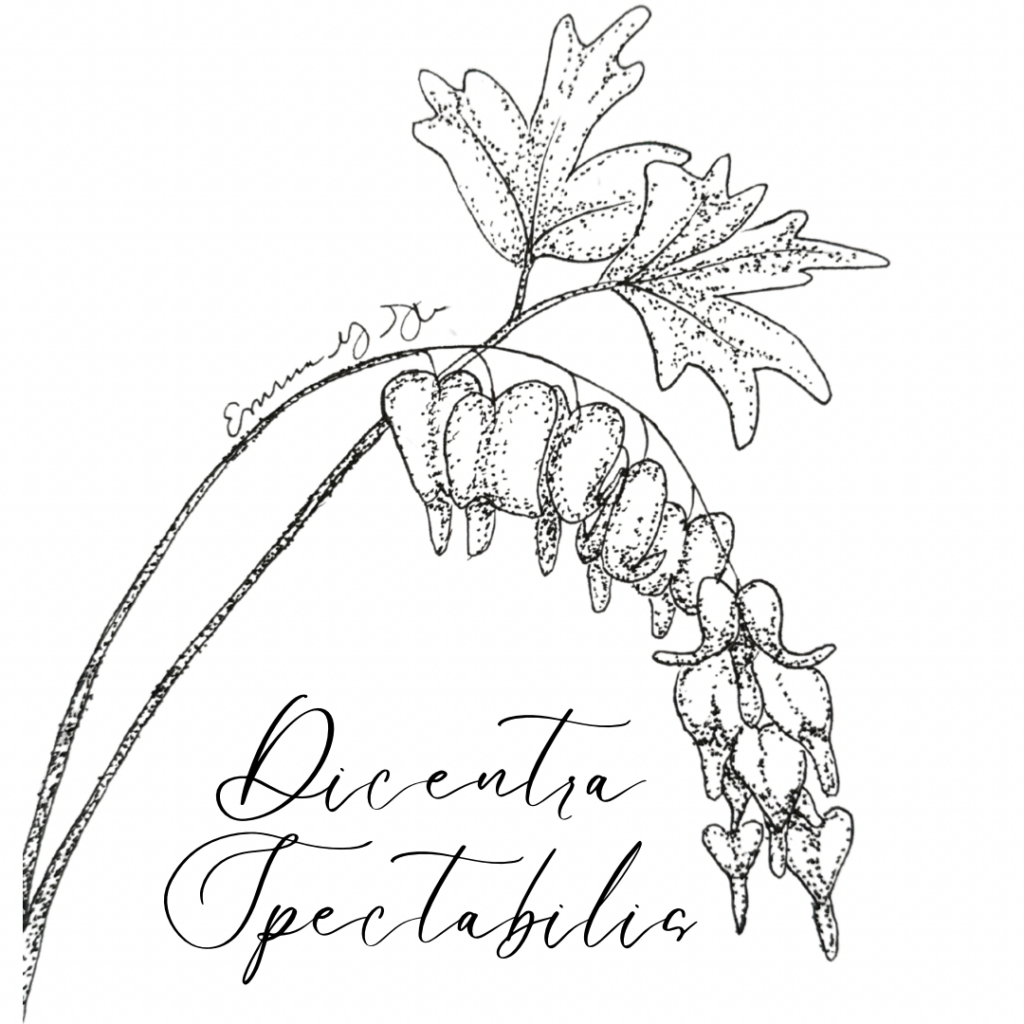
Apr Bleeding Heart

I would be careless if I didn’t comment on the plant choice for the month: the bleeding heart. This resilient early spring-rising plant is full of resilience and strength. Its symbolism can help when we are being too sensitive or we emotionally react to the world around us. Its unique beauty can help draw upon our values and beliefs to navigate the challenges one may be facing.

All and all, focus on what matters most and align your actions with your values. You can then pivot towards a more meaningful and fulfilling life, even in the presence of adversity. A good take away is that nature can serve as a source of inspiration, wisdom, and resilience. I have often said, “nature doesn’t ask of anything from me, it is one place that I am able to let go of control.” And when you let go of control, nature will guide you to observe and learn, and to develop the adaptive skills necessary to navigate challenges and thrive in an ever-changing environment.

Written by Lisa Story, MSCP, LPC, CT
Hope Grows Founder & Clinical Director

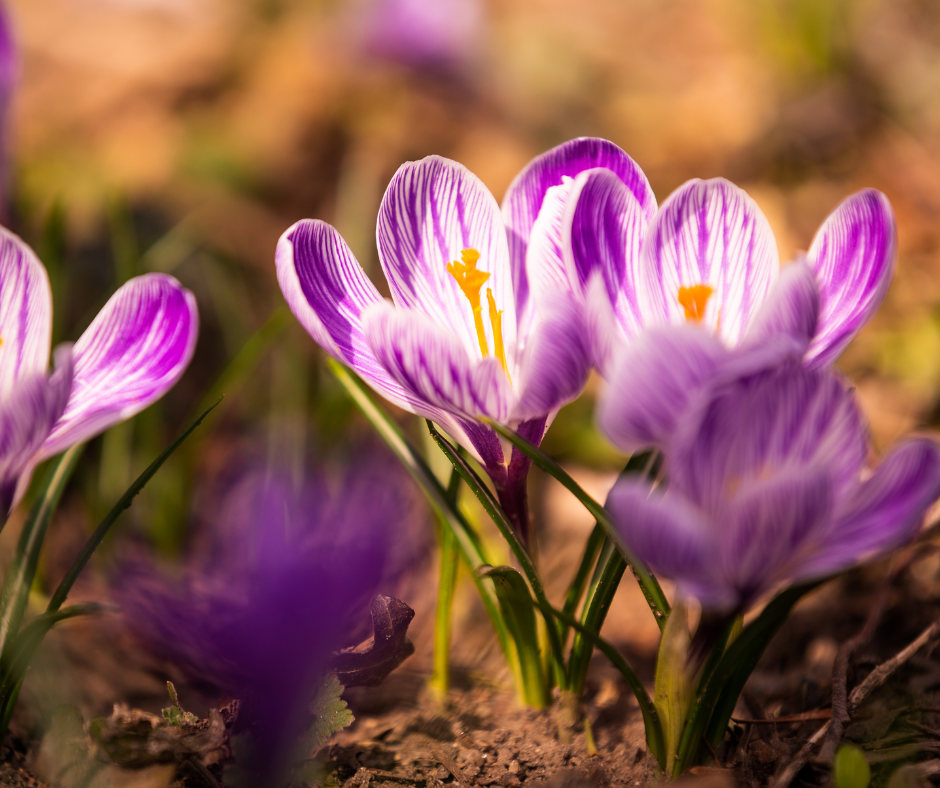
Gifts of the Spring Equinox

Ever had to begin again? Start anew? It’s a lot of hard work, isn’t it? Leaving the past behind. But it’s a time effervescent with possibility. A newness to be wholly trusted.

For thousands of years, the spring equinox has come bearing gifts of renewal, rebirth, and reawakening to us and the emerging landscape. The word “equinox” actually means “equal night” in Latin. It’s one of only two days out of the whole year when the earth’s 23.5 degree axis is not tilting toward or away from the sun. The sun shines completely perpendicular to the equator, at a right angle. Dark and light are available for roughly the same amount of time, existing in a state of total balance, and the seasons shift. Light takes the lead.

The renewal of life is one of mother nature’s greatest teachers. Want to know how I found that out? Years ago, I found myself trying to put myself back together after a mental and physical trauma. I was lucky enough both to be recuperating over the spring months and to live in an area where I had access to a park. Before then, spring had just been a season, like all the rest. But that spring, I woke up. It felt like I was seeing the earth for the first time. That spring, I had to stop and examine every flower, tree, shoot, and bush. It felt like mother nature was leading me by the hand from one to another, revealing herself to me all at once, and the earth came alive. From my disabled state, I experienced something I never had before: the underlying magic of spring. I was changed, more connected to nature than ever before. It forged an unforgettable reverence and hope in my soul, leaving me with a deep appreciation for the gift life’s renewals really are, both inside and out.

Throughout history, the spring equinox has been heralded and celebrated worldwide. The Persian
calendar, still used by Iran and Afghanistan today, celebrates the “equinoctial new year,” marked by a 13-day festival, as the first day of the year. In India, the famous Holi festival, signifying the triumph of good over evil, where revelers cover one another with brightly colored powdered paint, is celebrated at the spring equinox. And Easter and Passover, two of the most widely celebrated spring religious holidays, are both determined by the timing of the spring equinox.

You bet it’s a time to celebrate! We don’t have to bow to the powers of winter anymore! Watching the
earth reclaim herself every year never gets old. She shifts us from turning inward, hunkering down in
place, “wintering,” to coming outside into a universe teaming with life, working the land, gathering and growing together. The snow melts and the ground softens, leading us, once again, to abide in a reciprocal relationship with the earth. What we sow, we reap.

Around Hope Grows, we make room for the new by starting seeds, pulling weeds, raking leaves, removing dead stalks, and integrating fresh compost into the soil. Come Memorial Day, we want to be ready to PLANT.

As spring draws us outside in the next few months, it’s a great time to create space for the gifts of
the equinox in our own spiritual landscape. What will you leave behind under the covers of winter?
What newness will you cultivate? What seeds are you going to sow, inside and out? It’s a great time to clean out anything that is no longer serving your highest good, and an even better time to choose something you’ve always wanted to do and start. Setting intentions during this time can be very powerful.

When the sun’s new light of spring dawns, what new thing is it going to nourish? Think of a seed
germinating, cracking its shell, breaking open, and let light take the lead.

Written by Jessica Giannotta, Hope Grows Horticulturist

Reluctancy

Leonard Cohen, from his song, Anthem, once said: “there is a crack, a crack in everything. That’s how the light gets in.” I find this to be fascinating. As we all know, our first reaction to a significant loss is a crack, if you will, in our life, and we choose, from the pain, to be reluctant to let any light shine in.

At least it was for me. I remember when I first heard the words, “Dad has pancreatic cancer,” no light was getting through, and for a long while his dying process was handled with busy-ness and avoidance of the reality. While in the mode of visiting him and caring for him, adrenaline kept me going. I thought if I kept myself busy, attending to the family, working, visiting my dad, and taking care of all of the paperwork for him, I could avoid the inevitable: his death.

Boy, was I wrong. If you know me, watched any of the Hope Grows historical videos, or read any of my blog articles, I didn’t just mourn my dad when he died…I mourned my mom who died 20 years prior as well. You see, I was reluctant to believe she died when I was 22 years old and, more importantly, thought that if I didn’t think about her death and got on with my life, I would be just fine.

Wrong! All I did was delay my grief. It came back with a vengeance and bit me in the butt rather hard when my dad died. I mourned both of them, as if they died together. It wasn’t until I let the light shine in, did I then evaluate and learn what I had to offer from my pain.

At that time, I was reluctant; unwilling and resistant to see and learn what was ahead of my pain. Luckily for me, my dad spoke to me through a dream. I was NOT reluctant to believe in a divine intervention through that particular night’s dream. My dad loved being outside, in nature, doing something adventurous, so it was apropos that the dream was of nature. The night of his visit – dream, divine intervention, whatever you what to believe or call it – he took me for a walk in a beautiful garden. The sun rays, the light from it, if you will, was the focus, shining down on me with his smiling face in it.

After waking, I allowed my higher self to begin to see that there was something beyond the dark. I got to a place where I eventually provided a “gift of grief,” as Therese Tappouni shares in her book, The Gifts of Grief, Finding Light in the Darkness of Loss. You see, I had to address the past, the pain and loss, to heal from it. As a grief counselor and educator, I’ve always said, there is no way to heal from grief other than to go through it. And that became the journey of my grief: going through it and not being reluctant from the lesson it was teaching me. From there, my higher self allowed for the gift: the creation of Hope Grows.

So, where does the reluctancy of grieving stem from? Various ways in which we grieve, with the main one stemming from the emotional pain and heartache that comes from loss. Grieving can be emotionally draining, not to mention it can affect us cognitively, physically, spiritually, socially, financially, and behaviorally. Other than the avoidance of the emotional pain and heartache, reluctance can come
from:

  • Time and Energy Constraints: Other obligations, such as work or family requires a significant investment of time and energy.
  • Financial Concerns: Closing out an estate is expensive and time consuming; putting death affairs in order is daunting.
  • Lack of Support: Mourning the loss from death leads to feelings of isolation and burnout. Even with adequate support from family, friends, or community resources, grievers may feel reluctant to reach out.
  • Impact on Personal Life: Balancing all duties with personal needs and aspirations can be challenging. Grievers may feel reluctant and/or think they have to sacrifice their own goals, hobbies, or social life to process loss.
  • Health Concerns: Mourning a loss can take a toll on one’s physical and mental health. Reluctance may arise from concerns about the impact on one’s own wellbeing.

Addressing reluctancy with grief often requires a multifaceted approach that involves recognizing and addressing the underlying causes, seeking support from others, and implementing strategies to manage stress and maintain a healthy balance between all of life’s responsibilities, including personal well-being. This can include seeking respite care, joining support groups, setting boundaries, and practicing self-care techniques. With all of that, Hope Grows is here to support you through your loss and to help with any reluctancy you may be experiencing.

I would be remiss if I didn’t mention our essential oil and flower for the month of March. Oregano essential oil is powerful. According to Spiritual Scents, “The calming properties of oregano oil can relax the mind, balance the emotions, and banish mental fatigue.” Wealthful Mind tells us that the oil is “an herb of joy, safety and lightness of spirit.”

Now let’s take our flower of the month, the sweet pea. Sweet peas are popular ornamental plants grown in gardens and used in floral arrangements for their beauty and fragrance. Symbolically, sweet peas are associated with happiness, pleasure, gratitude, friendship, and delicate beauty – the opposite of what we feel when we are grieving. Pleasant feelings are helpful for any reluctancy.

If you find yourself in a dark place and need to see the light, consider the above blog, talk to someone about the use of oregano oil, and seek out growing some sweet peas this spring. Jess, our Hope Grows, horticulturist, could talk with you about the growing properties of sweet peas and I can chat with you about oregano essential oils.

Written by Lisa Story, MSCP, LPC, CT
Hope Grows Founder & Clinical Director

Disclaimer: This site offers information designed for educational purposes only. You should not rely on any information on this site as a substitute for professional medical advice, diagnosis, treatment, or as a substitute for professional counseling care, advice, diagnosis, or treatment. If you have any concerns or questions about your health, you should always consult with a physician or other healthcare professional.

Selflessness

Listening to the news, no matter what channel, often portrays the opposite of selflessness. With crime and war being reported around the clock, political slandering of one candidate or another, and the dramatization of weather and other topics, our minds easily shift to negative. Research tells us that the effects of negativity result in cynicism, hostility, and a repetitive loop of only focusing on the bad. Whether we believe it or not, our immune systems are impacted and physical and mental symptoms arise, such as headaches, stomach aches, anxiety, and depression. Discontent of spirit becomes the cornerstone with which we move forward.

Ugh! Who wants all of that? I sure don’t. I have often said that if the news only reported on the generosity, compassion, and concern for others for one straight month, how much better, collectively, everyone would be? I know, I know…a pipe dream regarding the news, but one can only hope. After all, to love or to care for someone is a selfless act, right? For most of the time, when I look around, I see moments of people demonstrating generosity, compassion, and concern for others. However, on the flip side of this, I also see moments of selfishness.

When I get down and out, I think of stories about people paying it forward, people giving to others just because. I turn to stories such as “what goes around comes around.” The act of giving of self just because and then the receiver of the generosity pays it forward in the way they can, and so on and so on…reading about it is, well, just uplifting.

The month of February is traditionally about love with hearts and cupids; the act of generosity becomes the forefront of our existence, at least, and with hope, for most of us! The dictionary definition of selflessness informs us that the act involves putting the needs, interests, and/or well-being of others before our own, without expecting personal gain or recognition.

The focus of selflessness can be difficult when you are in chronic pain, burnout, or experiencing stress and trauma. A few suggestions to help begins with acknowledging your struggles and being gentle with yourself. A few more tips include:

Dr. Irvine Yalom, an American existential psychiatrist and someone who believed that support groups possessed certain dynamics, is one of my favorite theorists and educators in the field of psychology. He believed that increased healing occurs when the facilitator or counselor fosters a cohesiveness and supportive environment. One thing he is known for is his eleven therapeutic factors for achieving change in a person within a group setting. One of those therapeutic factors that I believe is at the forefront of our month’s focus is altruism.

Altruism is self-sacrifice and selflessness. Once someone becomes a member of a collective group, he/she experiences a sense of worth by helping someone else. Value, purpose, and meaning become the giving force for that person and the result is a sense of pride and confidence.

At Hope Grows, we recommend giving of self through volunteer efforts, especially when grieving. When mourning a loss, emptiness and loneliness becomes prominent and through the act of giving and becoming a member of a collective group helps with a sense of value and purpose; meaning of life begins to return.

So, what do you do when selfless actions turn sour? What gets in the way of truly living a life that is altruistic? Start with evaluating obstacles and challenges that are getting in the way of truly living a life that is selfless. Some of these hindrances are:

  • Ego and a sense of pride can hinder altruïsm. When individuals are driven by a need for recognition or validation, it may undermine the purity of selfless actions.
  • Fear of giving too much of themselves will deplete their own resources.
  • Lack of boundaries makes it difficult to sustain selfless acts over time.
  • If the selfless act is conditional and only offered when certain expectations are met or reciprocated.
  • Unconscious bias or prejudices can influence how individuals choose to extend selfless acts.
  • Lack of empathy can hinder one’s ability to connect and respond to others’ experiences.
  • Societal norms and cultural expectations can emphasize individual success and achievement over collective well-being.

Overcoming these obstacles and challenges often involves self-reflection, personal growth, and a commitment to foster a mindset of compassion and generosity. Out of the list above, I believe that the lack of empathy and compassion plays a crucial role, as well as understanding others viewpoints.

One last thought for you. Growing up, my parents had The Golden Rule on the wall in the family room. The principle of treating others as you would want to be treated was something I not only read daily, but watched my parents made an effort to accomplish. Another piece of advice we often heard was, “Don’t judge someone unless you have walked a mile in their footsteps”.

All in all, remember that it is not selfish to take care of yourself; it is a necessary component to living out an altruistic life. However, finding the right balance is essential for your well-being and for keeping the necessary boundaries so that burnout and apathy doesn’t become your ammo.

Happy February! Look into nature for the beauty it gives selflessly; it is there despite the dormancy.

Written by Lisa Story, MSCP, LPC, CT
Hope Grows Founder & Clinical Director