Finding the Dignity in Nature And Yourself


Dignity means understanding you deserve respect and to be treated as someone with value – and also that you offer the same to others.

Cultivating Caregiver Wellness
Dignity means understanding you deserve respect and to be treated as someone with value – and also that you offer the same to others.
In the midst of a family crisis, there’s no one more vital than caregivers. Learn how to give hope to caregivers.
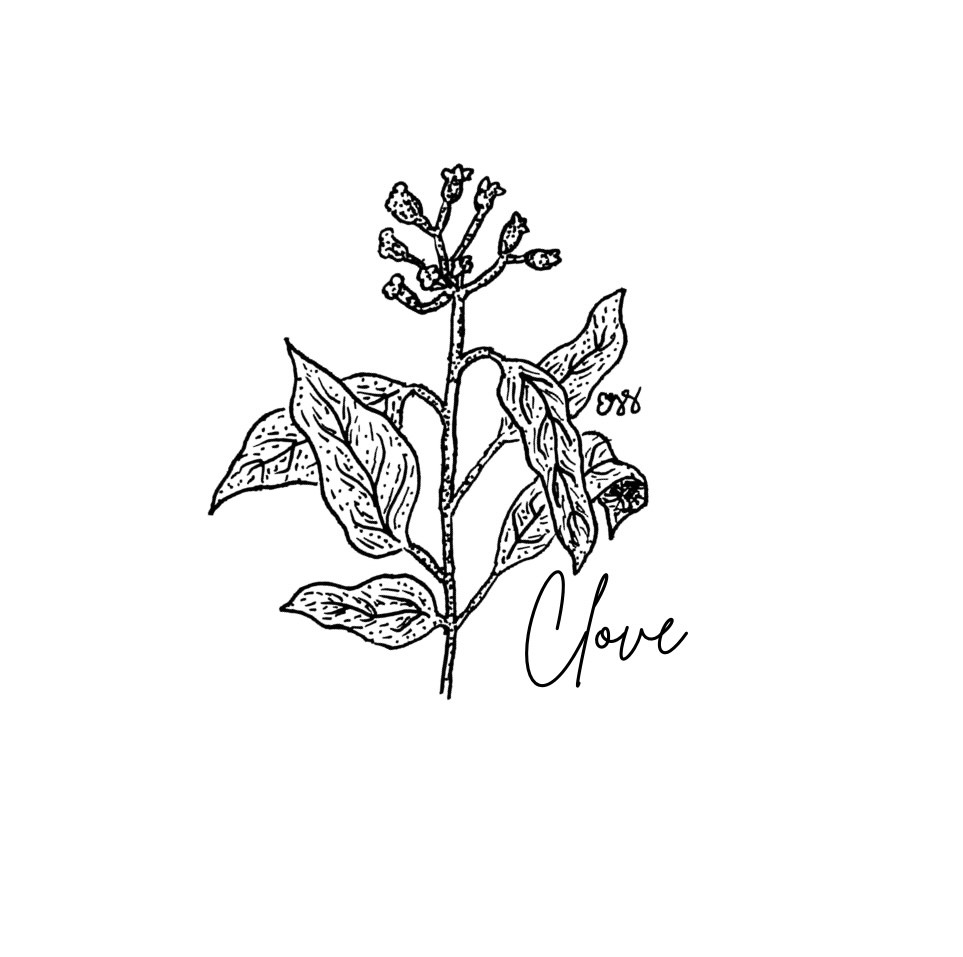
November Healing Plant: Clove (Syzygium aromaticum)
Doterra Essential Oil: Clove
Rishi Tea: Masala Chai
In the language of flowers, clove stands for dignity, being worthy of honor and self-respect. This makes me want to keep a steady supply of fresh cut clove flowers in every room. This would be quite a challenge in Pittsburgh though, as clove trees, native to the Molucca “Spice Islands” of Indonesia, only grow in tropical environments, takes 8 years for a first harvest, and 20 years to reach maturity! Cloves are actually the unopened flower buds of the clove tree. This “flower spice” must be harvested with the greatest care, by hand, just before the buds open, and then dried by experienced growers on palm mats in the sun for 4-5 days, which turns them the familiar brown color they have when we purchase them. Fitting that a spice requiring such careful handling would signify human dignity, something never to be mishandled. Interestingly, I also found clove can mean loving someone without that person knowing. How many times has a person buried feelings of love for someone else, so as not to appear undignified?
Derived from the Latin word “clovis,” meaning nail, dried clove flower buds resemble the shape of nails, making them ideal for studding orange pomanders. And, as the second part of the Latin name, “aromaticum,” says, they are highly aromatic. Known for its mouth cleansing abilities, you will often find clove in toothpastes and mouthwashes. Records from China’s Han Dynasty, in 202 B.C.E., show that anyone who came to see the emperor was actually required to chew cloves to sweeten their breath, before they saw him. The next time you are in front of someone with bad breath, try handing them a clove. Ok, so it sounds like an awkward moment, but doesn’t have to be! Lots of people get bad breath. It may actually spark an interesting clove conversation.
Archeological remnants have been found dating culinary uses for clove all the way back to 1700 B.C.E. Mexican, African and Middle Eastern cooking all have multiple uses for cloves and, as an essential spice in Indian cooking, it’s one of the standard ingredients in garam masala, chutney and curries. It can be found in teas, as a mulling spice, in countless baked goods, and is an integral part of chai-the popular spicy Indian tea with cardamom, cinnamon, ginger, black pepper and black tea. Medicinally, it can be chewed or taken as a tea for a digestive aid. Ironically though, after making so many foods taste great, clove oil is actually used in dentistry as a numbing agent for toothaches, and has even been included in tooth fillings for ongoing pain relief!
Around the fall and winter holidays, you will often see interesting designs of cloves studding orange pomanders. As the orange dries, it releases its delicate and spicy aroma. During the Middle Ages, these pomanders were actually used as herbal amulets worn around the neck, or placed around the home, as protection from negativity, harm and jealousy. Herbs and spices were put in cloth bags or perforated boxes to ward off viruses, bacteria or illness, as well as in hopes of bringing strength and good fortune. Clove folklore says that when cloves are worn or carried in a pocket, they will attract the opposite sex, or, when worn or carried by someone who has suffered emotional loss and is bereaved, they will provide comfort. When burned as incense, it is said to stop people from gossiping about you. And, sucking on 2 whole cloves without chewing or swallowing supposedly curbs the desire for alcohol. Strangely enough, each one of these scenarios, should they come true, could easily influence a person’s sense of dignity. That said, no matter how you choose to use this fascinating spice, may it always keep you dignified.
It can feel difficult to empower yourself when balancing caregiving with your own life, but these ideas can put you on the right track.
Making connections is an integral part of ones health. From connecting to the earth to connecting to support, learn why connection is so important!
October 2022
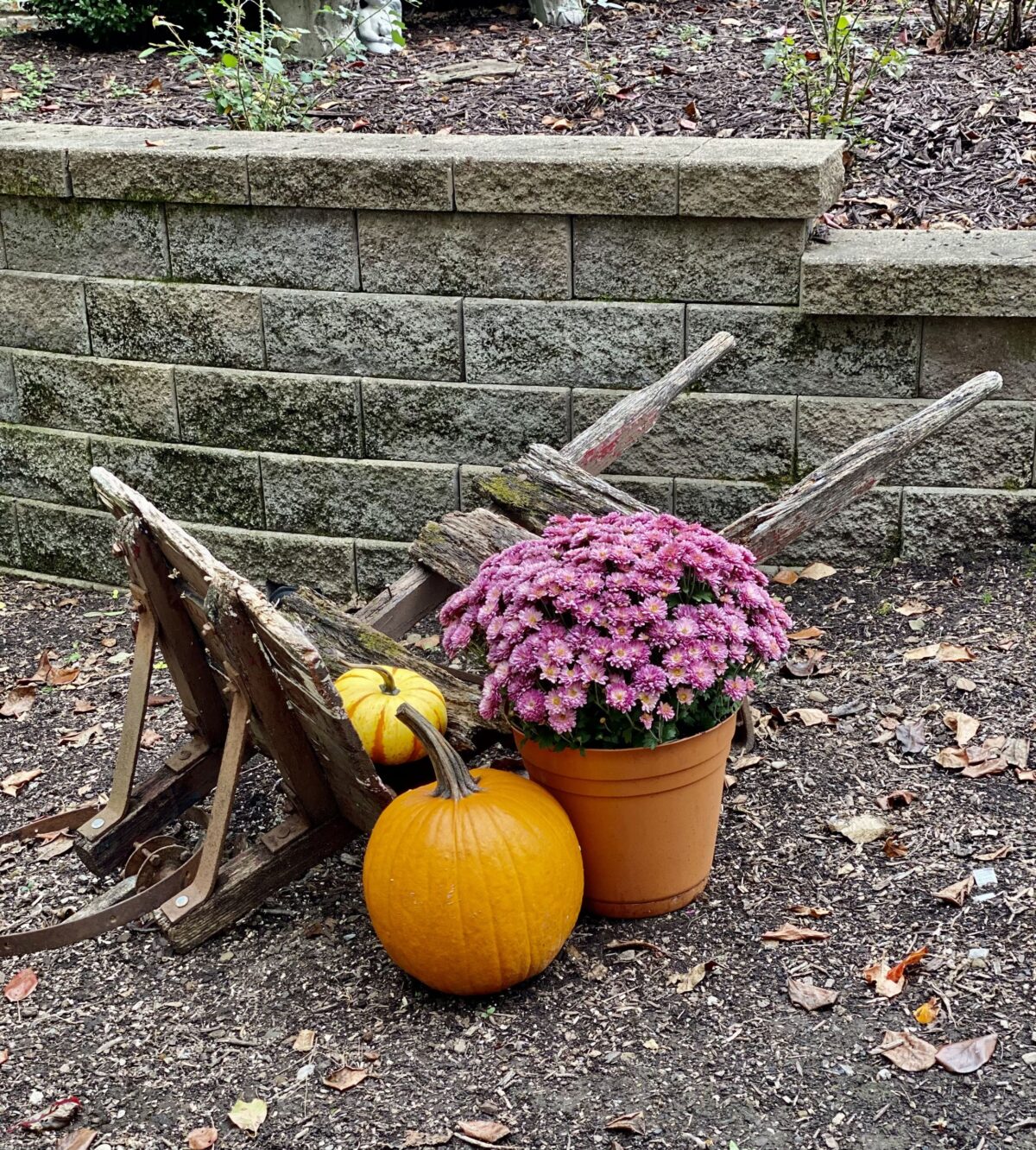
The kids are back in school, I can hear them when I’m working in the garden. Their voices mark time in my workday, while the plants mark time in the garden. It’s an autumn garden now, alive with purple beautyberry, dahlias, mums, and autumn joy. All summer, nature and the gardens give abundantly: we have the sun until 9, flowers give us show after show, and the pollinators float around in front of our eyes. I can feel Mother Nature retracting some of that. As the plants start to die back, and darkness creeps in earlier, chasing me home at the end of the day, I can’t help but tug back against her, but she always wins.
In the past month, 3 people, on separate occasions, have turned to me within the first fifteen minutes of experiencing the Hope Grows gardens for the first time and said, “this is very relaxing,” or “this is very therapeutic.” The look in their eyes softened, they dropped their shoulders, smiled a little, and exhaled an unexpected, but welcome, sigh. The gardens seemed to make them feel a little safer than when they got out of the car. I’m glad. Because, at those moments, my mind was definitely not relaxed. I was actually completely focused on work, cutting a couple of nice bouquets or preparing to direct volunteers. I claim no credit for the biophilic effect, except maybe whatever regular upkeep I’ve been able to do on the plants.
One of my regular volunteers last year would always tell me that the garden helped her clear her head after work. I couldn’t claim credit there either, as I was usually focused on whatever I needed her help with. This has all gotten me thinking about the therapeutic nature of gardens, how to go about creating them, and where humans fit in. The plants can’t plant themselves, but once in the right place, with the right care, they can provide support and healing, without me even telling them to. They just do, reaching out like a great piece of music that soothes the soul-to everyone. Just like in music, they work off each other, joining with one another in harmony to create a stronger sense of peace and healing. I’ve said this before, but there is a greater intelligence at work in the gardens, one that doesn’t require me to turn it on every time someone walks into the garden that needs healing or peace. It’s very gentle, and you won’t find it in every garden. Watching the gardens help people like that makes me want to become a better garden caregiver, as it is undeniable that these gardens are themselves providing care for the caregiver.