Nourishment – June Focus

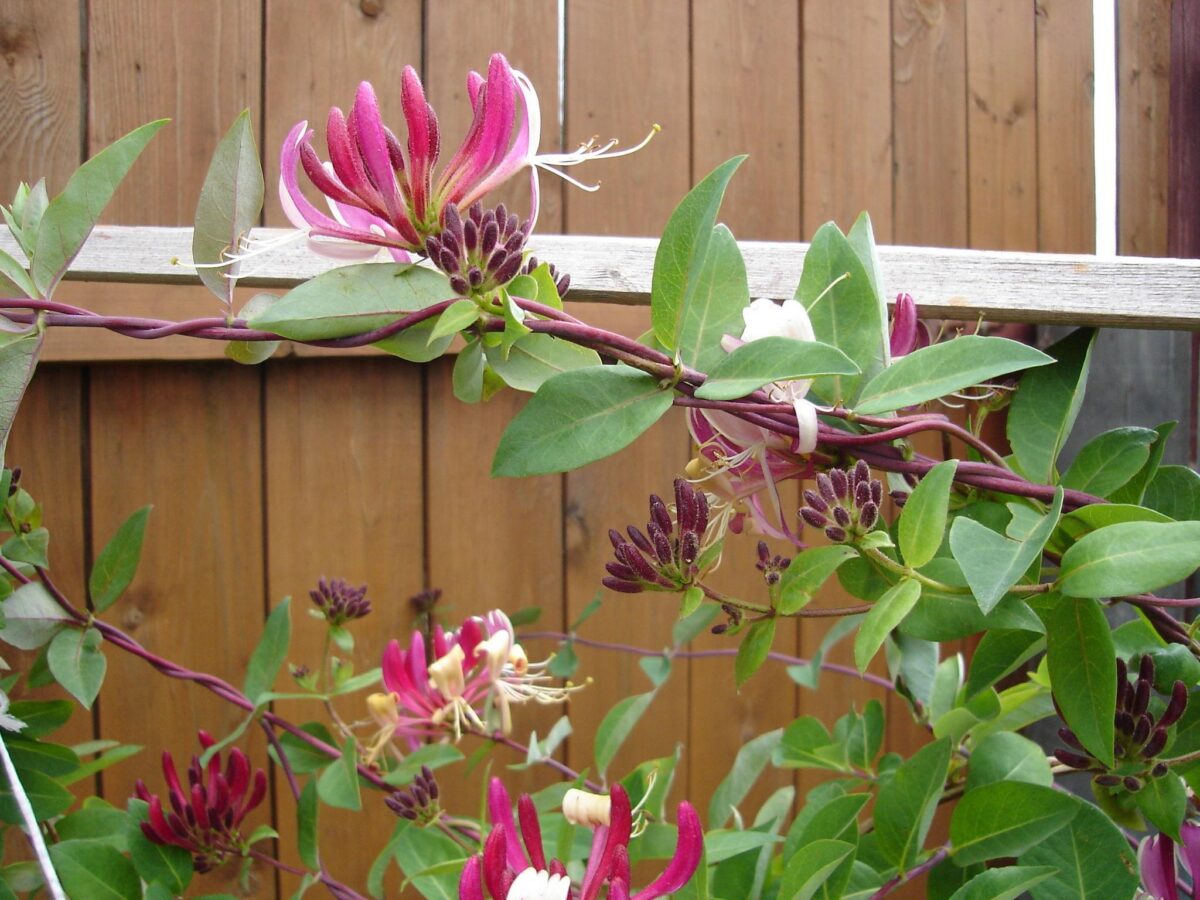
Honeysuckle

Nourishment: Savoring What Is Blooming

June arrives with longer days, gardens blooming, and nature quietly reminding us that growth does not happen all at once. Spring’s tender beginnings have given way to the possibilities of summer abundance. Blossoms open, vegetables begin to emerge from the soil, birds feed their young, and the world seems to exhale into a season of nourishment.

Yet nourishment is about more than food.

For those navigating grief, loss, caregiving, or life transitions, nourishment often becomes something deeper; a gentle invitation to replenish what has been depleted. Feeling the sadness or pain of loss has a way of consuming our energy, disrupting our routines, and disconnecting us from the things that once sustained us. Amid the sorrow, we may forget to eat well, rest deeply, or tend to our own needs. We may find ourselves surviving rather than thriving.

Nature teaches us another way.

A garden does not bloom continuously without pause. Between periods of growth are moments of rest, integration, and renewal. The roots beneath the soil quietly absorb nutrients. Rain nourishes what the sun has awakened. Growth and restoration work together, each depending on the other, the same is true for us.

We Learn What We Live

Social Learning Theory, developed by Albert Bandura, teaches us that much of human behavior is learned through observation and modeling. As children, and throughout life, we absorb lessons not only from what we are told but from what we witness in others. We learn how to express emotions, navigate relationships, cope with stress, and respond to grief by watching those around us. This idea is reflected in Dorothy Law Nolte’s well-known phrase, “Children learn what they live.” In many ways, behavior is caught more often than it is taught. The patterns we experience and observe often shape how we move through the world, influencing how we care, cope, connect, and heal across generations.

As some of you may know, Hope Grows was born out of my grief and I tell the family story through a 4-part YouTube Video Series. As I reflect on my childhood, I observed and absorbed lessons of nourishment in the sense of ‘taking a break’. I watched my parents, especially my mom, never “Take a Break.” She was a real trend setter back in the day, a work from home mom, juggling six children and running the office for my dad’s roofing business. I learned about great work ethic but also learned that “taking a break” had to be earned. Ugh!

I digress a bit here, but the point being that as we move through June, let us consider nourishment as more than just food to sustain us. Nourishment begins by giving ourselves permission to rest. Not because we have earned it, but because we need it. Rest is not laziness. It is an act of care. It allows our minds, bodies, and spirits to integrate what we have experienced and creates space to reflect on where we have been and where we are going.

One Last Thought: Nourishment in Grief is Storytelling

One of the most overlooked forms of nourishment in grief is storytelling. When we tell our stories, we begin to gather the scattered pieces of our experience. We make meaning from what has happened. We remember not only the loss, but also the love. Sharing our stories allows us to carry memories forward rather than carry them alone. It helps us discover that our grief is part of our story, but it is not the entirety of who we are.

Just as a honeysuckle vine grows by intertwining itself with the world around it, our stories connect us to others. They remind us that healing often happens in relationships. Through conversation, reflection, journaling, support groups, or simply sitting with a trusted friend, we nourish ourselves when we allow our stories to be heard.

Book with a sprig of lavender 1

Consider lavender, the essential oil for the month. It is beloved for its calming and restorative qualities. Lavender encourages us to slow down, breathe deeply, and create moments of peace amidst life’s demands. It reminds us that nourishment is not always found in doing more. Sometimes it is found by being present, allowing our nervous systems to settle, and receiving the comfort that the oil offers.

Reflection: May you find nourishment for your mind, body, and spirit. May you rest when needed, savor what is blooming, and remember that your story matters.

Written by Lisa Story, MSCP, LPC, CT
Hope Grows Founder & Director

Focus of the Month: Nourishment
Essential Oil: Lavender
Flower: Honeysuckle

At Hope Grows, we believe healing happens when we create space for both grief and growth. Through counseling, support groups, respite opportunities, and programs such as The Gathering Table & Legacy Initiative – Grief Soup, we invite caregivers and those grieving a loss to share their stories, find connection, and discover moments of restoration along the way. Call us at 412.369.4673 or email [email protected].

Disclaimer: This site offers information designed for educational purposes only. You should not rely on any information on this site as a substitute for professional medical advice, diagnosis, treatment, or as a substitute for professional counseling care, advice, diagnosis, or treatment. If you have any concerns or questions about your health, you should always consult with a physician or other healthcare professional.

Belonging

The Cost of Love (and the Gift of Belonging)

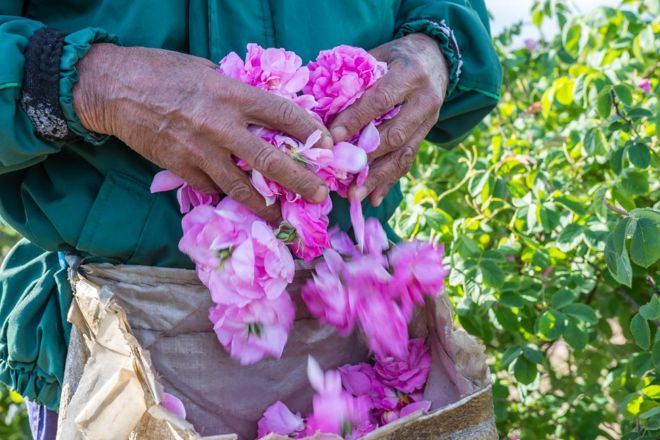
There is something almost unbelievable about rose oil. It takes approximately 252,000 individual petals—about 8,000 roses—to produce a single 5ml bottle. Forty-two pounds of petals, gathered, distilled, transformed… into something so small, so potent, so precious. Holy roses!

And perhaps that is where we begin this month.

Because caregivers understand cost. Not in petals—but in moments. In sleep lost. In meals skipped. In parts of themselves quietly set aside. Love, in caregiving, often becomes synonymous with giving. With doing. With enduring. But what if belonging asks something different from us?

A Different Kind of Love

Lily of the Valley blooms softly, almost hidden. It does not demand attention. It does not compete for space. It simply exists—sweet, quiet, present. Its fragrance is not overwhelming. You must come close to notice it. There is no striving in it. No performance. Just presence.

And this is where we gently challenge a thought that many of us have come to believe. That love must be proven through depletion. That connection must be earned through sacrifice. That belonging is something you give, not something you receive.

There is a sweetness that can come without demand. At Hope Grows, we often speak about rest, restoration, and care, I mentioned this in last month’s Tender Growth blog. I know those words can feel hollow when your world has shifted. So, let’s not start there. Instead, let’s ask a different question. Can you allow love to exist, without needing to prove it? Not the love you give, but the love that might be offered to you. Because belonging is not built through effort alone. It is cultivated through allowing.

Lilly of the Valley 1

Hope Grows and the Root of Good Care Counseling practice strives to nurture the process of sitting with someone’s pain, and allow the emotion without judgment.

By allowing someone to sit with you without fixing, allowing a meal to be shared without obligation, and allowing your story to be heard without needing to shape it into something acceptable is one of the hardest things to do but worth trying.

The Gathering Table: Where Belonging Is Practiced

This “allowing” is the quiet heartbeat of the Gathering Table & Legacy Initiative. Not a program you attend, but a space you enter. A table where nourishment is offered—not just in food, but in presence. Where stories are shared—not for outcome, but for connection. Where mentorship is not about guidance alone, but about walking beside. There is something sacred that happens when people gather without expectation.

When the question is not, “What do you need to do?” but rather, “Can you simply be here?”  Many ways, it mirrors the rose. Thousands of unseen moments that come together to create something deeply meaningful. Not because of what each petal does individually…but because of what they become together.

A Gentle Disruption

So here is the invitation—and perhaps the disruption—for May. What if you stopped measuring your love by how much it costs you? What if belonging was not something you had to earn and what if sweetness—real, sustaining sweetness—did not come from pushing through… but from softening into connection? This may feel unfamiliar, even uncomfortable, but so does standing still in a season that is asking you to grow in a different direction.

The rose reminds us that something precious can come from many small parts.
The Lily of the Valley reminds us that presence does not need to be loud to be meaningful.

And nature, as always, offers us a quiet truth where nothing blooms alone. Not the rose, not the lily, and not you. It is about being rooted and connected.

Reflection

As you move through May with the focus of belonging, consider where in your life you are trying to earn belonging? And then what might shift if you allow yourself to simply receive it?

Written by Lisa Story, MSCP, LPC, CT
Founder of Hope Grows

At Hope Grows, we support those with multiple issues, including caregiving and grieving a loss. If you are struggling, reach out to connect. Call us at 412.369.4673 or email [email protected].

Focus of the Month: Belonging
Essential Oil: Rose
Flower: Lilly of the Valley

Disclaimer: This site offers information designed for educational purposes only. You should not rely on any information on this site as a substitute for professional medical advice, diagnosis, treatment, or as a substitute for professional counseling care, advice, diagnosis, or treatment. If you have any concerns or questions about your health, you should always consult with a physician or other healthcare professional.

Can I Get Paid to Care for My Child With Disabilities?

At Hope Grows, we walk alongside caregivers who give so much of themselves, often at great emotional, physical, and financial cost. While our mission centers on nurturing mental, emotional, and spiritual wellness through therapeutic respite and nature-based care, we know that financial strain is a very real part of many caregiving journeys.

From time to time, caregivers ask us: “Can I be paid to care for my ⁠child with disabilities?” And while we don’t directly provide financial support or legal guidance, we’ve created this guide as a compassionate resource to point caregivers toward programs and possibilities that may offer relief.

Much like compensation for parent caregiving, getting paid to care for your child with disabilities allows you to keep doing what you know is the right thing for your child.

Disclaimer: This article is intended to offer general guidance and support, not legal or financial advice. As programs and benefits vary widely depending on your location and situation, we encourage you to reach out to a local social worker, legal advisor, or your state’s Medicaid office for personalized assistance.

Why Seeking Support Matters: The Dangers of Caregiver Burnout

If you feel overwhelmed, know this: you’re not alone. According to The Cleveland Clinic, caregiver burnout is a state of mental, emotional, and physical exhaustion that results from taking care of someone else. 

Millions of parents in the U.S. care for their children with disabilities, often putting in full-time hours each week. Balancing those demands with financial strain can feel like carrying too much for too long.

At Hope Grows, we see this every day. The exhaustion, the quiet worry, the weight of giving so much. You deserve support, not just financial, but emotional and spiritual, too. That’s why we’re here: to help lighten the load, in all the ways that matter most.

How to Get Paid to Care for Your Child With Disabilities: Financial Support Options

Many families caring for children with disabilities wonder if there’s financial support available for the critical care they provide at home. While every situation is different, there are several common programs worth exploring:

Getting Paid Through Medicaid Waivers

Many states offer Home and Community-Based Services (HCBS) waivers that sometimes allow family members, including parents, to be paid caregivers. These waivers are intended to help individuals with disabilities remain at home rather than being placed in institutional care. Coverage and eligibility vary by state, but this is often one of the most direct ways to receive compensation for caregiving.

Resource: Medicaid Waivers Directory

Getting Paid Through Supplemental Security Income (SSI)

SSI is a federal program that provides monthly payments to children with disabilities from low-income households. If your child meets both the disability and income criteria, your family may qualify for ongoing support. These funds can help offset some of the everyday expenses associated with caregiving.

Resource: SSI For Children Eligibility Information

Getting Paid Through State-Based Caregiver Programs

In addition to Medicaid waivers, many states have separate programs that provide financial or practical support to family caregivers. These might include direct stipends, training, or respite services. The availability of these programs can depend heavily on your state’s policies and budget.

Resource: State Medicaid Support Directory

Getting Paid as a Caregiver Through Veterans Directed Care

If your child is an adult and a veteran, the Veterans Directed Care program allows them to manage their own care budget. This includes hiring a family member—like you—as their caregiver. It’s a flexible option that supports independence while offering financial relief.

Resource: Veterans Directed Care Overview

Financial Help From Nonprofit or Community-Based Caregiver Resources

Various nonprofit organizations offer caregiver grants, stipends, or respite care funding, especially in times of acute need. These support options are usually smaller in scale, but they can be a lifeline during transitions or seasons of overwhelm. At Hope Grows, we understand that not all support needs to come in financial form. 

For those unable to travel or afford overnight stays, we offer our healing gardens, 14 distinct, therapeutic spaces at the Iris Respite House, freely as a place of reflection, restoration, and peace. Whether you need a moment to breathe or a gentle reminder that you’re not alone, we welcome you to explore these gardens from wherever you are.

Take a virtual walk through our gardens.

As these programs change over time, it’s best to contact a local social worker or disability advocate who understands the latest in your region.

How To Get Paid For Taking Care Of Your Child With Disabilities

Navigating the world of caregiver compensation can feel overwhelming, but it doesn’t have to start with a perfect plan. Here’s how to take meaningful first steps toward understanding your eligibility and accessing support:

  1. Start by Gathering Documentation: Keep a detailed log of the daily care you provide. This includes medical tasks, therapy support, transportation, emotional care, and household duties. This documentation will be important if you apply for financial assistance.
  2. Research Programs in Your State: Every state is different. Look into your state’s Medicaid office or Department of Human Services to see which programs you may qualify for. 
  3. Contact a Local Social Worker or Advocate: These professionals often know the latest program updates and how to navigate the system efficiently. Don’t be afraid to ask questions or request guidance; they’re here to help.
  4. Reach Out to a Hospital or Care Team: If your child receives regular medical care, ask the care team if a case manager or hospital social worker can support you in applying for caregiver resources.
  5. Connect with a Nonprofit or Peer Community: Groups focused on disabilities or family caregiving often have real-time insights and encouragement from others who’ve walked a similar road. Social workers, hospital case managers, and local nonprofits can be powerful allies in helping you understand your options.

You Are Not Alone

While financial support is a lifeline, it’s only one piece of the caregiver puzzle. Your mental and emotional health matters deeply. At Hope Grows, we understand the weight that caregivers carry. Through our nature-based therapies, counseling services, and respite programs, we support caregivers just like you.

Whether you live near our gardens or join us virtually, we welcome you into a compassionate community that sees and honors the work you do.

If you feel overwhelmed or alone, please reach out. You deserve support. ⁠To learn more about how Hope Grows can support your caregiving journey, reach out today.