Nourishment – June Focus

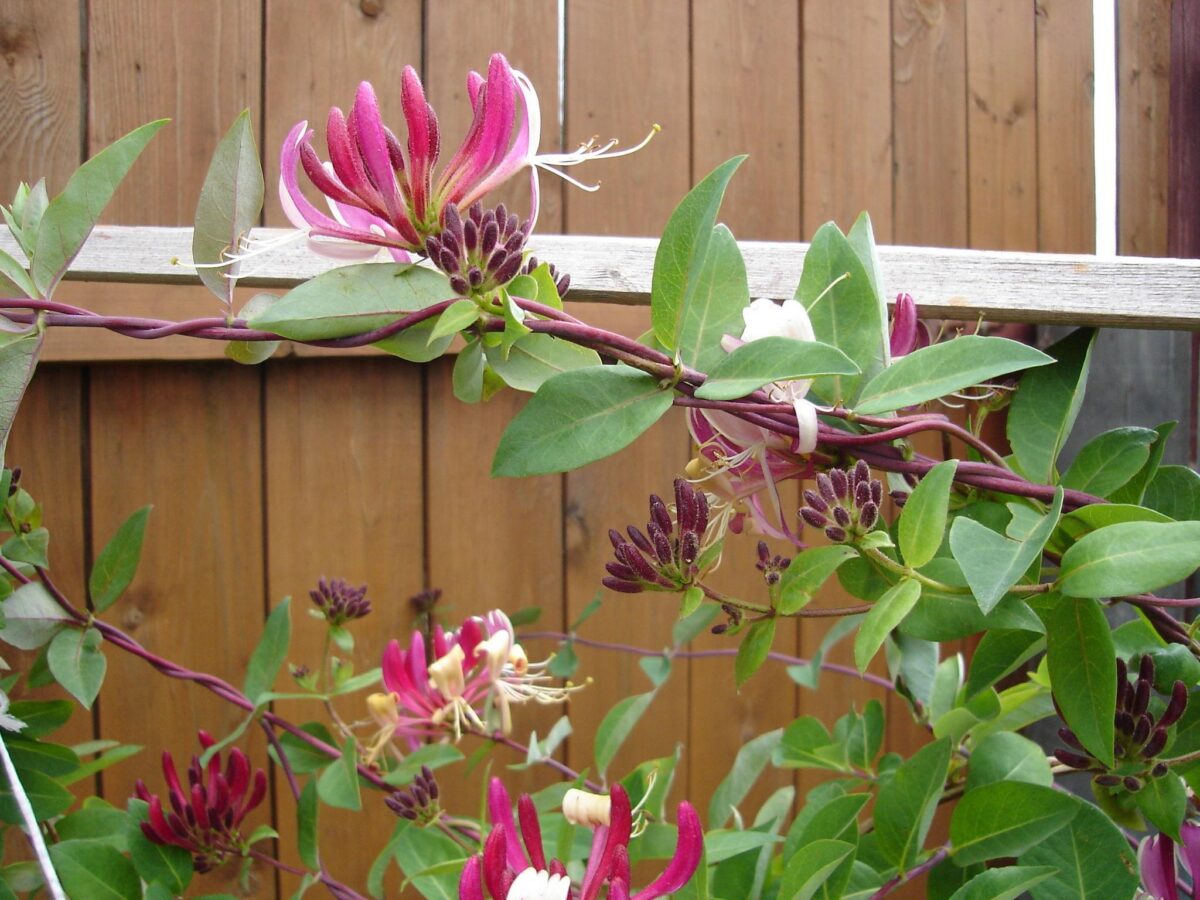
Honeysuckle

Nourishment: Savoring What Is Blooming

June arrives with longer days, gardens blooming, and nature quietly reminding us that growth does not happen all at once. Spring’s tender beginnings have given way to the possibilities of summer abundance. Blossoms open, vegetables begin to emerge from the soil, birds feed their young, and the world seems to exhale into a season of nourishment.

Yet nourishment is about more than food.

For those navigating grief, loss, caregiving, or life transitions, nourishment often becomes something deeper; a gentle invitation to replenish what has been depleted. Feeling the sadness or pain of loss has a way of consuming our energy, disrupting our routines, and disconnecting us from the things that once sustained us. Amid the sorrow, we may forget to eat well, rest deeply, or tend to our own needs. We may find ourselves surviving rather than thriving.

Nature teaches us another way.

A garden does not bloom continuously without pause. Between periods of growth are moments of rest, integration, and renewal. The roots beneath the soil quietly absorb nutrients. Rain nourishes what the sun has awakened. Growth and restoration work together, each depending on the other, the same is true for us.

We Learn What We Live

Social Learning Theory, developed by Albert Bandura, teaches us that much of human behavior is learned through observation and modeling. As children, and throughout life, we absorb lessons not only from what we are told but from what we witness in others. We learn how to express emotions, navigate relationships, cope with stress, and respond to grief by watching those around us. This idea is reflected in Dorothy Law Nolte’s well-known phrase, “Children learn what they live.” In many ways, behavior is caught more often than it is taught. The patterns we experience and observe often shape how we move through the world, influencing how we care, cope, connect, and heal across generations.

As some of you may know, Hope Grows was born out of my grief and I tell the family story through a 4-part YouTube Video Series. As I reflect on my childhood, I observed and absorbed lessons of nourishment in the sense of ‘taking a break’. I watched my parents, especially my mom, never “Take a Break.” She was a real trend setter back in the day, a work from home mom, juggling six children and running the office for my dad’s roofing business. I learned about great work ethic but also learned that “taking a break” had to be earned. Ugh!

I digress a bit here, but the point being that as we move through June, let us consider nourishment as more than just food to sustain us. Nourishment begins by giving ourselves permission to rest. Not because we have earned it, but because we need it. Rest is not laziness. It is an act of care. It allows our minds, bodies, and spirits to integrate what we have experienced and creates space to reflect on where we have been and where we are going.

One Last Thought: Nourishment in Grief is Storytelling

One of the most overlooked forms of nourishment in grief is storytelling. When we tell our stories, we begin to gather the scattered pieces of our experience. We make meaning from what has happened. We remember not only the loss, but also the love. Sharing our stories allows us to carry memories forward rather than carry them alone. It helps us discover that our grief is part of our story, but it is not the entirety of who we are.

Just as a honeysuckle vine grows by intertwining itself with the world around it, our stories connect us to others. They remind us that healing often happens in relationships. Through conversation, reflection, journaling, support groups, or simply sitting with a trusted friend, we nourish ourselves when we allow our stories to be heard.

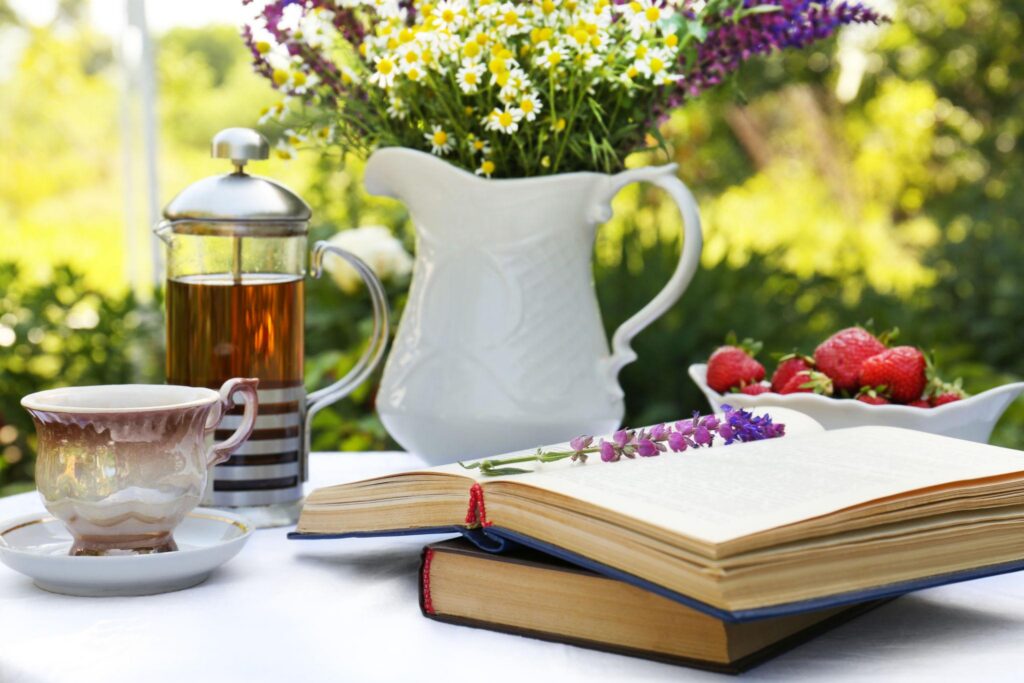
Book with a sprig of lavender 1

Consider lavender, the essential oil for the month. It is beloved for its calming and restorative qualities. Lavender encourages us to slow down, breathe deeply, and create moments of peace amidst life’s demands. It reminds us that nourishment is not always found in doing more. Sometimes it is found by being present, allowing our nervous systems to settle, and receiving the comfort that the oil offers.

Reflection: May you find nourishment for your mind, body, and spirit. May you rest when needed, savor what is blooming, and remember that your story matters.

Written by Lisa Story, MSCP, LPC, CT
Hope Grows Founder & Director

Focus of the Month: Nourishment
Essential Oil: Lavender
Flower: Honeysuckle

At Hope Grows, we believe healing happens when we create space for both grief and growth. Through counseling, support groups, respite opportunities, and programs such as The Gathering Table & Legacy Initiative – Grief Soup, we invite caregivers and those grieving a loss to share their stories, find connection, and discover moments of restoration along the way. Call us at 412.369.4673 or email [email protected].

Disclaimer: This site offers information designed for educational purposes only. You should not rely on any information on this site as a substitute for professional medical advice, diagnosis, treatment, or as a substitute for professional counseling care, advice, diagnosis, or treatment. If you have any concerns or questions about your health, you should always consult with a physician or other healthcare professional.

Rest, Relax, Restore

The impact of providing care takes a toll on the mind, body, and spiritual wellness of the caregiver. The Hope Grows Care Model is about helping the caregiver to find ways to take time for self, which is the main reason the #ThinkCaregiver™ program and the Simple ‘Self-Care’ Suggestions, which are popular among those reaching out for support. We have heard from many caregivers that receiving a call instead of making a call is helpful. Caregivers tells us that even if I don’t answer, hearing the message is a reminder that someone is checking on me, it’s helpful and it reminds me to take time for self.

The theme this year is Rest, Relax and Restore; a well-fitting theme based on the opening of the Iris Respite House for overnight stays. We continue to encourage caregivers to take short breaks with our monthly focus that helps with regaining balance and change of perspective. The month of January was about creativity. We started the month talking about art therapy and the effective ways for caregivers to express their feelings and emotions, which can help reduce stress and increase feelings of relaxation. Creativity is a natural byproduct of the art-making process, and the act of creating can be very therapeutic in and of itself. Additionally, the focus and concentration required for art-making can be a helpful distraction from daily stressors, allowing caregivers to fully engage in the present moment.

Julia Cameron said, “creative expression is the voice of the soul.” During the month of January, I was glad to see snow outside my window. I had a hard time paying attention to my work, my eyes kept gazing to the beauty outside. I thought about all of the things I want to be creative with and I ponder about what is causing the lack of motivation to get started with something. I came to the realization that perhaps it has something to do with the thought that I need to have the best of everything in place to be successful. The best paints, materials and setting, to name a few. As always, my thoughts went to nature, the snow and how it was creatively hanging from the branches of the trees and bushes. It didn’t need the best branch of the tree, it fell where ever it wanted and painted a beautiful scene.

That is what I love most about nature, the therapeutic effects. There is no cost, the best comes from what our senses find, and then we create from the inspiration. A Danish creative professional’s study found that engaging with nature has a way of making us more curious, helps with flexibility in our thinking and it helps to recharge our directed thinking process. Curiosity, flexibility and focused thinking are the best of what can help us with creativity, also providing caregivers with an outlet for self-expression and self-discovery.

Elizabeth Gilbert, author of Big Magic and Eat, Pray, Love, tells us that “Creativity itself doesn’t care at all about results – the only thing it craves is the process. Learn to love the process and let whatever happens next happen…” I believe if you engage in the process of different activities, you will reap ways to boost creativity and alleviate stress and burnout. Some ways to be creativity include:

• Take a break and engage in a creative hobby, such as painting, drawing, photography, or writing. These activities allow you to tap into your imagination and take your mind off of work or other stressors.

Get some exercise. Physical activity has been shown to improve mood and reduce stress. Plus, being outdoors and surrounded by nature can provide inspiration for creativity.

• Practice mindfulness and meditation. These techniques can help you focus on the present moment and reduce rumination about the past or worrying about the future.

• Try brainstorming and idea generation techniques. One example is the “brainwriting” method, which involves writing down ideas on a piece of paper or computer, rather than verbally discussing them with a group. This can be useful when dealing with mental fatigue.

• Experiment with new surroundings or change in environment. Sometimes a change of scenery can spark new ideas and perspectives.

• Connect with people, try to surround yourself with supportive, positive and inspiring people. Inspiration can be contagious and you can get new perspective and idea from them.

• Play games! Playing games, whether it’s table-top games, video games, or mobile games, can be a fun way to relax and unwind. Plus, playing games can help improve problem-solving skills and creativity.

It’s important to remember that everyone is different, what works for one person may not work for another, so it’s a good idea to experiment with different methods and find what works best for you. Have fun and above all, enjoy the process. And try a little of bit of nature, too.