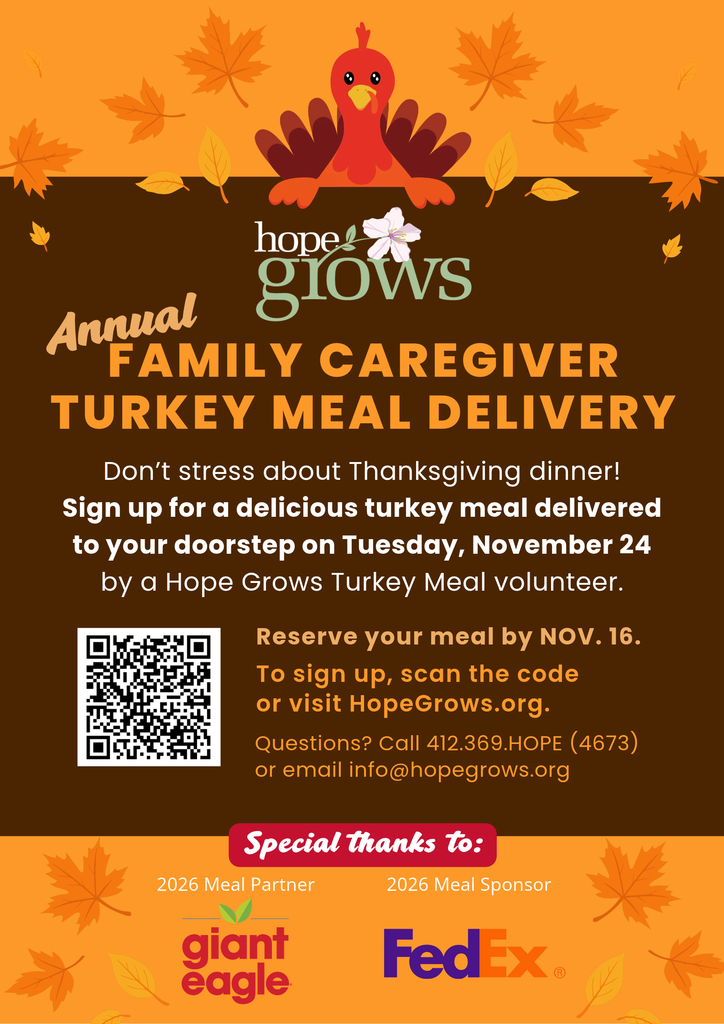
Sacred Gratitude

Sacred Gratitude: What Remains Within Us
I have been thinking a lot about gratitude lately. Not necessarily the kind we speak of around the Thanksgiving table, but something deeper. A gratitude that emerges from memory, from the people who shaped our lives, and from the realization that some of our greatest gifts came from those who are no longer physically with us.
One person who keeps coming to my mind is Grosmom, my great-grandmother.
She has been gone since I was a teenager, yet I can still picture her in the kitchen, swiftly rolling out pie crusts and preparing her wonderful nut rolls. And believe me, she was an extraordinary baker. Not simply because I was a wide-eyed child watching her work, but because baking was part of her story.
At the age of 30, she crossed the Atlantic from Germany with her husband and three children to begin a new life in America. Their first source of income came from the goods she baked, which my great-grandfather sold from an old-fashioned wheeled cart. Together, they built a life through hard work, determination, and partnership.
They were quite a team. I think, in many ways, they were also among my earliest teachers of love. I remember watching them celebrate their 75th wedding anniversary and recognizing, even at that young age, the affection they still shared.
Grosmom had a kind smile, a warm heart, and a wonderful way of making you feel loved. But don’t let that fool you. When someone upset her, out came that crooked finger, pointing directly at whoever was about to receive an earful. I can still picture it today, and it makes me laugh…maybe because I see a bit of her in me.
As Grosmom and my great-grandfather grew older, it was my mother, their granddaughter, who took on much of their care. I remember accompanying my mother to their home, watching her tend to their needs. At the time, I didn’t give much thought to what I was witnessing. It was simply what my mother did.
Looking back, I recognize another expression of love unfolding before me. I was witnessing not only the devotion between a husband and wife, but also one generation caring for another. Families are complicated, and caregiving responsibilities do not always fall where we might expect. Yet those early experiences may have shaped my understanding of caregiving long before I knew how central it would become to my life’s work.
The Sacredness of Gratitude and Grief
Even now, decades after her death, there are moments when I sense Grosmom’s presence in ways I cannot fully explain. Whether through memory, intuition, or the enduring connection of love, she remains part of my life. Perhaps that, too, is something sacred.
I am grateful for the pie and nut roll recipes, for the stories of courage and determination, for the love I witnessed, and even for that crooked finger. But I am equally grateful for what I did not understand at the time: how these experiences were shaping who I would become.
For those who are grieving, gratitude can be complicated. We may be thankful for the years shared with someone while aching for another conversation or one more afternoon together. Caregivers, too, may feel grateful for the opportunity to care for someone they love while experiencing exhaustion, sadness, or uncertainty.
One feeling does not diminish the other.
Sacred gratitude does not ask us to overlook sorrow or find something positive in every difficult experience. It invites us to honor the meaning of our connections, even when those relationships are complicated by loss or the passage of time.
Perhaps gratitude and grief are not opposites at all, but companions reminding us of the significance of what we have loved.
Honoring What Remains
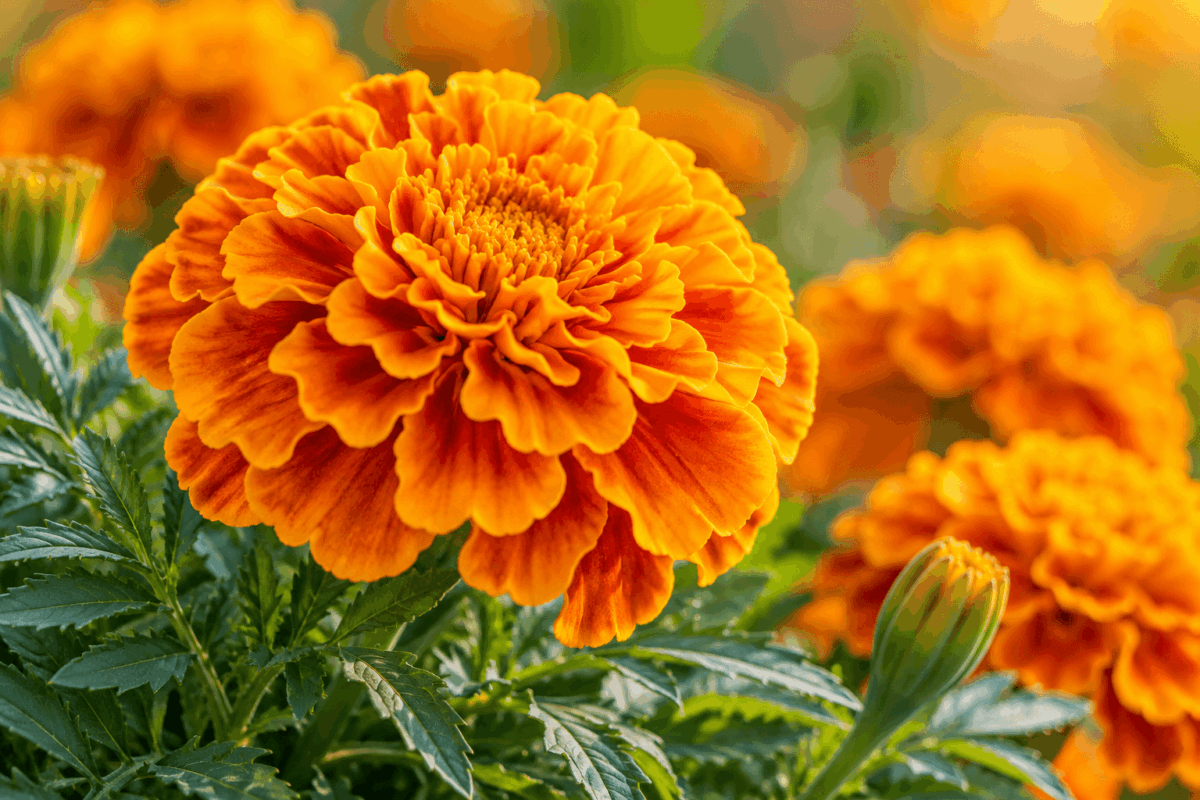
November’s flower, the marigold, has long been associated with remembrance and honoring ancestors in several cultural traditions. Myrrh, our essential oil, carries centuries of spiritual significance, inviting reverence and reflection. Together, they remind us that gratitude can be rooted in history, carried through generations, and expressed through the simplest memories. A familiar recipe. A family tradition. The sound of someone’s laughter. Or perhaps a crooked finger that still brings a smile decades later.
At Hope Grows, we believe our stories matter. They connect generations, preserve memories, and remind us that the meaning of a life extends far beyond the years lived. Through our work with caregivers and those grieving a loss, we witness how the people we have loved continue to influence our values, choices, and the ways we care for others.
I think about Grosmom’s hands rolling out pie crusts, the crooked finger that appeared when she had something to say, and my mother’s hands tending to her needs as she grew older. The hands that once cared for others eventually needed care themselves.
And in witnessing those moments, I was receiving something I could not yet name: an understanding of love that would travel with me into adulthood. Perhaps this is one of the most meaningful aspects of legacy. We do not always recognize what we are receiving while it is being given. And perhaps telling our stories is one way we honor those gifts, allowing the lives of those who came before us to continue touching the lives of others.
Warmly,
Lisa Story, MSCP, LPC, CT
Founder and Executive Director
Where nature heals the heart.
November Focus: Sacred Gratitude
Flower: Marigold
Essential Oil: Myrrh
At Hope Grows, we believe healing happens when we create space for both grief and growth. Through counseling, support groups, respite opportunities, and programs such as The Gathering Table, we invite caregivers and those grieving a loss to share their stories, find connection, and discover moments of restoration along the way. Call us at 412.369.4673 or email intake@hopegrows.org.Disclaimer: This site offers information designed for educational purposes only. You should not rely on any information on this site as a substitute for professional medical advice, diagnosis, treatment, or as a substitute for professional counseling care, advice, diagnosis, or treatment. If you have any concerns or questions about your health, you should always consult with a physician or other healthcare professional.