Belonging

The Cost of Love (and the Gift of Belonging)

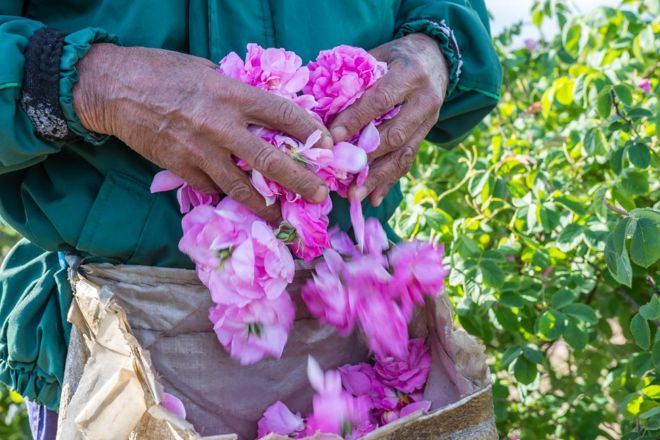
There is something almost unbelievable about rose oil. It takes approximately 252,000 individual petals—about 8,000 roses—to produce a single 5ml bottle. Forty-two pounds of petals, gathered, distilled, transformed… into something so small, so potent, so precious. Holy roses!

And perhaps that is where we begin this month.

Because caregivers understand cost. Not in petals—but in moments. In sleep lost. In meals skipped. In parts of themselves quietly set aside. Love, in caregiving, often becomes synonymous with giving. With doing. With enduring. But what if belonging asks something different from us?

A Different Kind of Love

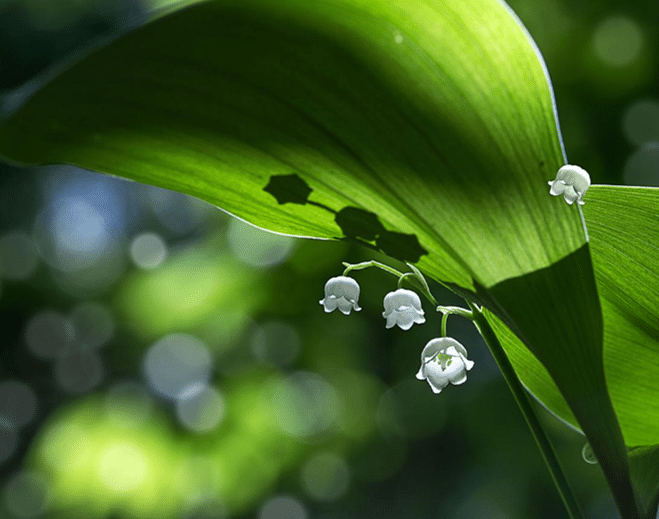
Lily of the Valley blooms softly, almost hidden. It does not demand attention. It does not compete for space. It simply exists—sweet, quiet, present. Its fragrance is not overwhelming. You must come close to notice it. There is no striving in it. No performance. Just presence.

And this is where we gently challenge a thought that many of us have come to believe. That love must be proven through depletion. That connection must be earned through sacrifice. That belonging is something you give, not something you receive.

There is a sweetness that can come without demand. At Hope Grows, we often speak about rest, restoration, and care, I mentioned this in last month’s Tender Growth blog. I know those words can feel hollow when your world has shifted. So, let’s not start there. Instead, let’s ask a different question. Can you allow love to exist, without needing to prove it? Not the love you give, but the love that might be offered to you. Because belonging is not built through effort alone. It is cultivated through allowing.

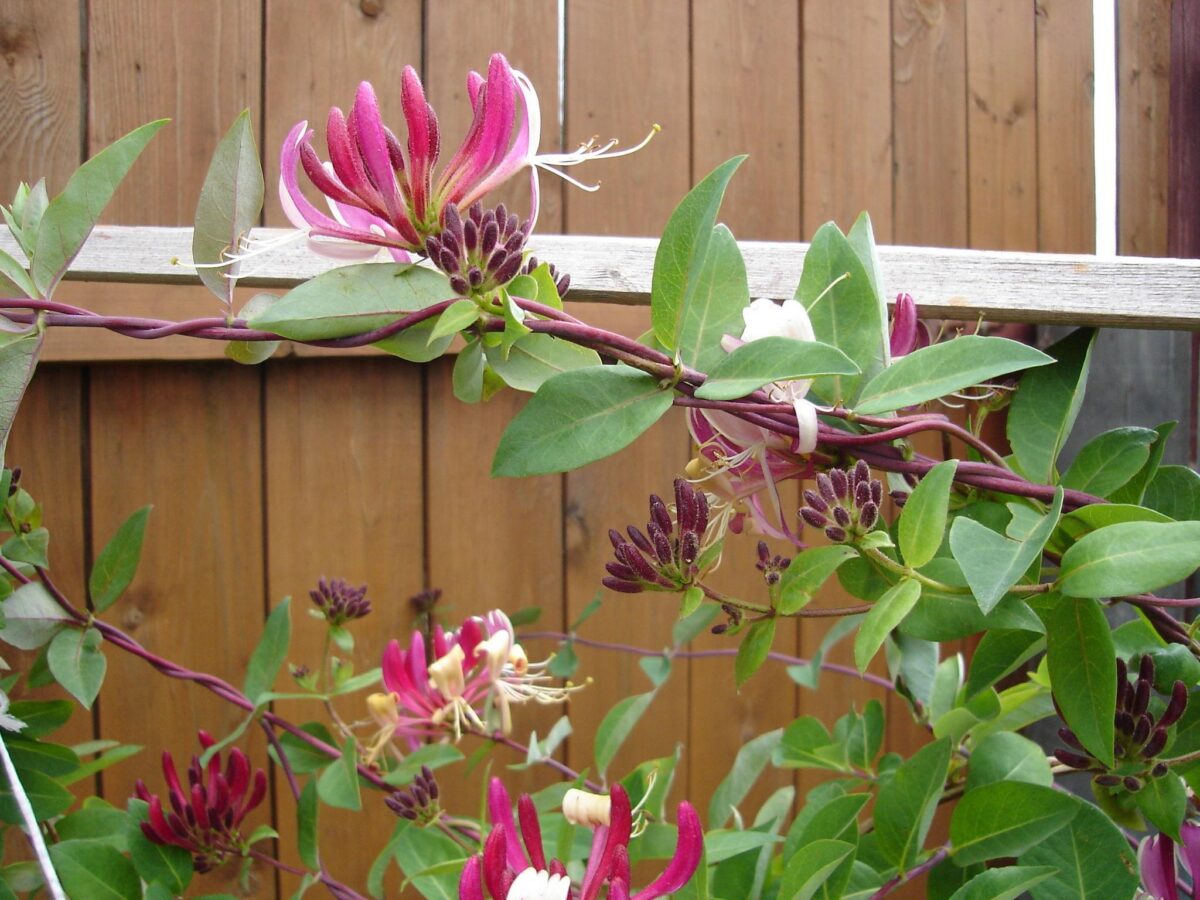
Lilly of the Valley 1

Hope Grows and the Root of Good Care Counseling practice strives to nurture the process of sitting with someone’s pain, and allow the emotion without judgment.

By allowing someone to sit with you without fixing, allowing a meal to be shared without obligation, and allowing your story to be heard without needing to shape it into something acceptable is one of the hardest things to do but worth trying.

The Gathering Table: Where Belonging Is Practiced

This “allowing” is the quiet heartbeat of the Gathering Table & Legacy Initiative. Not a program you attend, but a space you enter. A table where nourishment is offered—not just in food, but in presence. Where stories are shared—not for outcome, but for connection. Where mentorship is not about guidance alone, but about walking beside. There is something sacred that happens when people gather without expectation.

When the question is not, “What do you need to do?” but rather, “Can you simply be here?”  Many ways, it mirrors the rose. Thousands of unseen moments that come together to create something deeply meaningful. Not because of what each petal does individually…but because of what they become together.

A Gentle Disruption

So here is the invitation—and perhaps the disruption—for May. What if you stopped measuring your love by how much it costs you? What if belonging was not something you had to earn and what if sweetness—real, sustaining sweetness—did not come from pushing through… but from softening into connection? This may feel unfamiliar, even uncomfortable, but so does standing still in a season that is asking you to grow in a different direction.

The rose reminds us that something precious can come from many small parts.
The Lily of the Valley reminds us that presence does not need to be loud to be meaningful.

And nature, as always, offers us a quiet truth where nothing blooms alone. Not the rose, not the lily, and not you. It is about being rooted and connected.

Reflection

As you move through May with the focus of belonging, consider where in your life you are trying to earn belonging? And then what might shift if you allow yourself to simply receive it?

Written by Lisa Story, MSCP, LPC, CT
Founder of Hope Grows

At Hope Grows, we support those with multiple issues, including caregiving and grieving a loss. If you are struggling, reach out to connect. Call us at 412.369.4673 or email [email protected].

Focus of the Month: Belonging
Essential Oil: Rose
Flower: Lilly of the Valley

Disclaimer: This site offers information designed for educational purposes only. You should not rely on any information on this site as a substitute for professional medical advice, diagnosis, treatment, or as a substitute for professional counseling care, advice, diagnosis, or treatment. If you have any concerns or questions about your health, you should always consult with a physician or other healthcare professional.
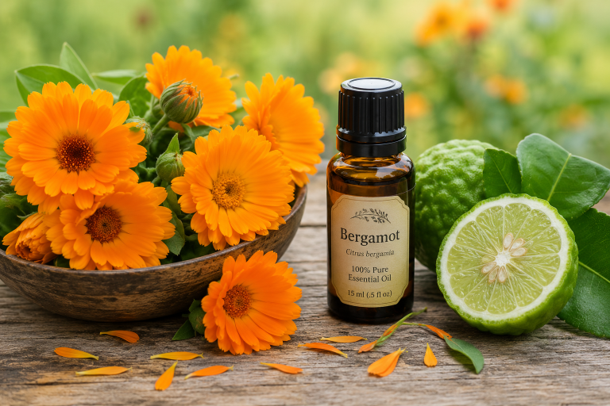
In the Kitchen with Hope Grows: Spring Episode

Hope Grows is excited to invite family caregivers and those experiencing a loss to our second broadcast of a 4-part seasonal webinar series designed to offer both practical cooking tips and emotional support during their caregiving journey.

“In the Kitchen with Hope Grows” will take place on Friday, May 9 from 12:30-1:30pm EST (9:30-10:30am PST), featuring a demonstration on growing your own herbs and using them in meals, paired with a discussion about the Iris Respite House Bed & Breakfast and the importance of “taking a break.”

KEY HIGHLIGHTS

  • Herbed Quinoa Demonstration: Learn how to make this versatile, nutritious dish with Chef Barbie, while Hope Grows Horticulturist Jessica Giannotta gives a few tips on planting, growing, and harvesting your own herbs.
  • Iris Respite House & Healing Gardens: Hear from previous overnight guests about the physical, mental, and emotional benefits of spending a night at the Iris Respite House.
  • Q&A Opportunities: A Q&A session for participants to learn more about Hope Grows’ programs and services.

CLICK HERE TO REGISTER

This program is FREE and open to all! Attendees will have the opportunity to ask questions and leave with new tools and perspectives to help them thrive on their caregiving journey.

Moderated by Lisa Story, MSCP, LPC, CT, our Founder and Clinical Director, and Lisa Iadicicco, our Executive Director.


Rest, Relax, Restore

The impact of providing care takes a toll on the mind, body, and spiritual wellness of the caregiver. The Hope Grows Care Model is about helping the caregiver to find ways to take time for self, which is the main reason the #ThinkCaregiver™ program and the Simple ‘Self-Care’ Suggestions, which are popular among those reaching out for support. We have heard from many caregivers that receiving a call instead of making a call is helpful. Caregivers tells us that even if I don’t answer, hearing the message is a reminder that someone is checking on me, it’s helpful and it reminds me to take time for self.

The theme this year is Rest, Relax and Restore; a well-fitting theme based on the opening of the Iris Respite House for overnight stays. We continue to encourage caregivers to take short breaks with our monthly focus that helps with regaining balance and change of perspective. The month of January was about creativity. We started the month talking about art therapy and the effective ways for caregivers to express their feelings and emotions, which can help reduce stress and increase feelings of relaxation. Creativity is a natural byproduct of the art-making process, and the act of creating can be very therapeutic in and of itself. Additionally, the focus and concentration required for art-making can be a helpful distraction from daily stressors, allowing caregivers to fully engage in the present moment.

Julia Cameron said, “creative expression is the voice of the soul.” During the month of January, I was glad to see snow outside my window. I had a hard time paying attention to my work, my eyes kept gazing to the beauty outside. I thought about all of the things I want to be creative with and I ponder about what is causing the lack of motivation to get started with something. I came to the realization that perhaps it has something to do with the thought that I need to have the best of everything in place to be successful. The best paints, materials and setting, to name a few. As always, my thoughts went to nature, the snow and how it was creatively hanging from the branches of the trees and bushes. It didn’t need the best branch of the tree, it fell where ever it wanted and painted a beautiful scene.

That is what I love most about nature, the therapeutic effects. There is no cost, the best comes from what our senses find, and then we create from the inspiration. A Danish creative professional’s study found that engaging with nature has a way of making us more curious, helps with flexibility in our thinking and it helps to recharge our directed thinking process. Curiosity, flexibility and focused thinking are the best of what can help us with creativity, also providing caregivers with an outlet for self-expression and self-discovery.

Elizabeth Gilbert, author of Big Magic and Eat, Pray, Love, tells us that “Creativity itself doesn’t care at all about results – the only thing it craves is the process. Learn to love the process and let whatever happens next happen…” I believe if you engage in the process of different activities, you will reap ways to boost creativity and alleviate stress and burnout. Some ways to be creativity include:

• Take a break and engage in a creative hobby, such as painting, drawing, photography, or writing. These activities allow you to tap into your imagination and take your mind off of work or other stressors.

Get some exercise. Physical activity has been shown to improve mood and reduce stress. Plus, being outdoors and surrounded by nature can provide inspiration for creativity.

• Practice mindfulness and meditation. These techniques can help you focus on the present moment and reduce rumination about the past or worrying about the future.

• Try brainstorming and idea generation techniques. One example is the “brainwriting” method, which involves writing down ideas on a piece of paper or computer, rather than verbally discussing them with a group. This can be useful when dealing with mental fatigue.

• Experiment with new surroundings or change in environment. Sometimes a change of scenery can spark new ideas and perspectives.

• Connect with people, try to surround yourself with supportive, positive and inspiring people. Inspiration can be contagious and you can get new perspective and idea from them.

• Play games! Playing games, whether it’s table-top games, video games, or mobile games, can be a fun way to relax and unwind. Plus, playing games can help improve problem-solving skills and creativity.

It’s important to remember that everyone is different, what works for one person may not work for another, so it’s a good idea to experiment with different methods and find what works best for you. Have fun and above all, enjoy the process. And try a little of bit of nature, too.

Botanicals of the Month

Mind, body, and spiritual wellness is achieved through the use of botanicals in many different forms and Holy Basil has many healing properties.