
Integration

Gathering What We Have Learned
I write about nature often. I write about walking through the gardens, putting our hands in the soil, noticing the changing light, listening to the birds, and allowing the natural world to remind us to slow down. At Hope Grows, we have witnessed repeatedly how nature can become a place of respite, reflection, and healing.
But for some reason, this month has caused me to think differently about the very thing I so often describe as restorative: nature can also be unpredictable and powerful. Recent natural disasters remind us how quickly familiar landscapes—and lives—can change. As our clinical team continues its training in trauma and grief, I find myself thinking about those whose sense of safety has been altered in an instant.
Sometimes, nature doesn’t feel safe.
How do we reconcile that? Perhaps that is part of what integration asks of us.
Integration isn’t pretending that everything fits neatly together. It isn’t finding the positive in every painful experience. Sometimes it means allowing two things to be true at once.
- Nature can comfort us, and nature can frighten us.
- We can trust, and we can ask questions.
- We can be grateful for what nourishes us while becoming more thoughtful about where that nourishment comes from.
Even something as ordinary as buying a peach can remind us of this. Several times this summer, I brought home beautiful peaches. They looked nearly perfect on the outside. I waited for them to ripen, anticipating that wonderful first bite, only to cut them open and find them bruised, mushy, or simply not what I expected. It’s a small disappointment in a world carrying much larger ones. Yet it made me think about appearances, expectations, and trust.
How often do we assume that because something looks good on the outside, everything underneath must be okay? People do this, too. Families do it. Organizations and systems do it. Sometimes even our own lives do it.
Integration invites us to look beneath the surface. Not with fear, but with wisdom.
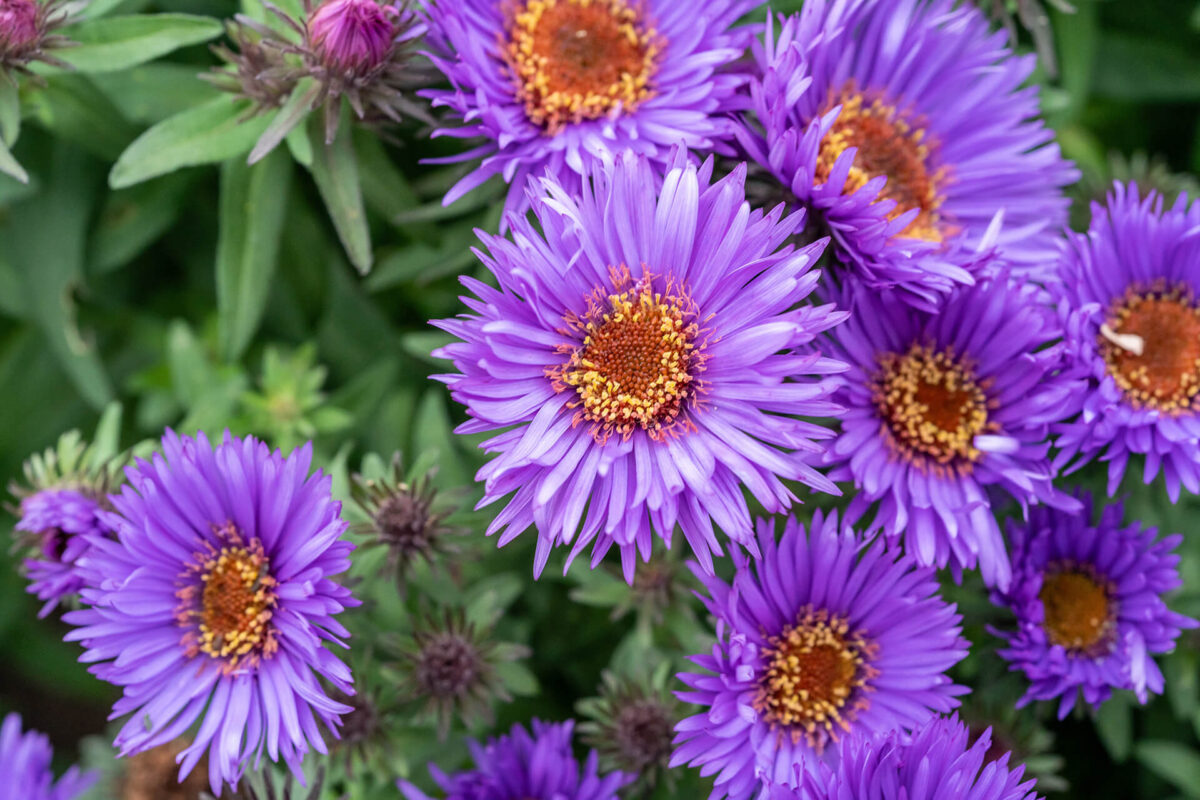
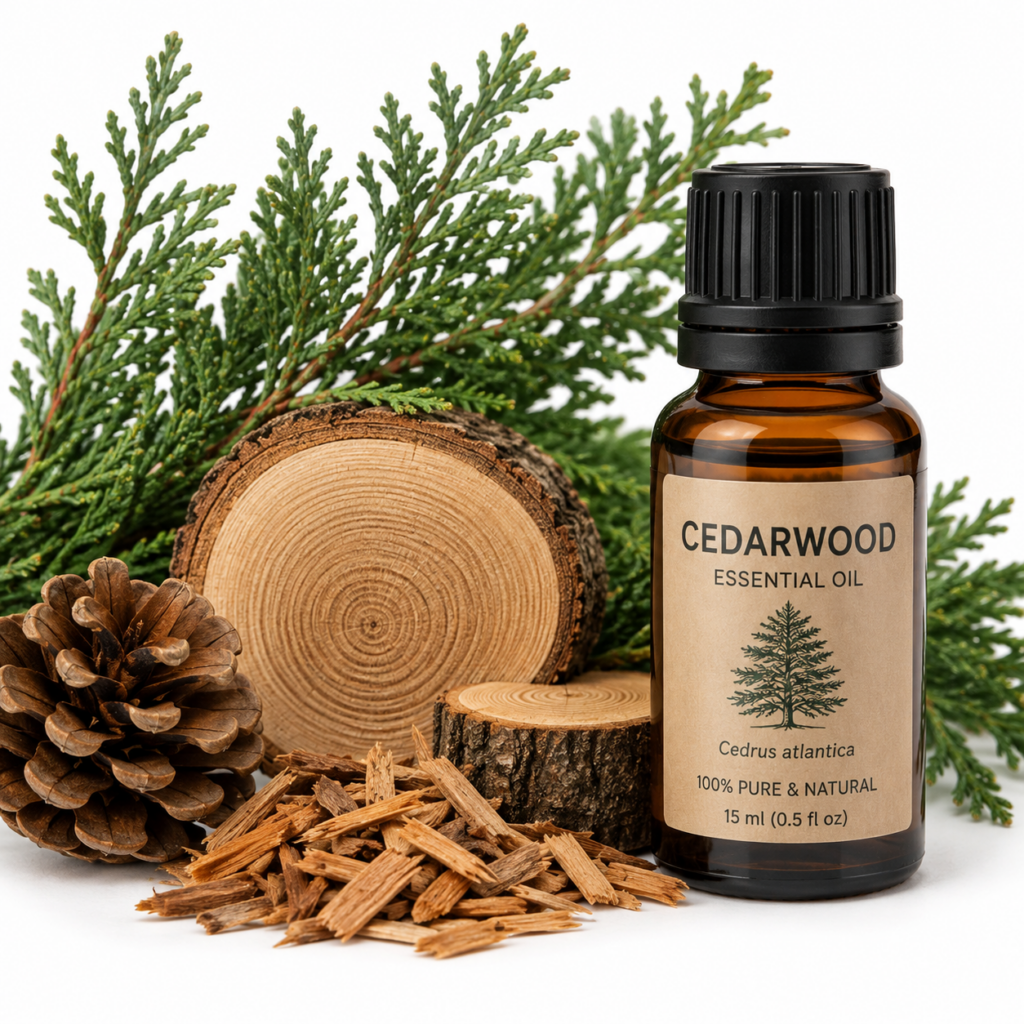
September’s flower, the aster, arrives as summer begins surrendering to fall. It blooms at a threshold, reminding us that beauty doesn’t belong to only one season of life. Our essential oil this month, cedarwood, carries an equally fitting symbolism: grounding, steadiness, and roots.
Maybe September isn’t asking us to escape the unsettling things happening around us. Maybe it is asking us to become more rooted while acknowledging them.
- To gather the lessons.
- To recognize what has changed us.
- To question what deserves questioning.
- To hold gratitude without using it to silence grief.
And to understand that being grounded does not mean being untouched by what is happening in the world.
For caregivers and those grieving a loss, this may be especially important. Life can change our understanding of what is safe, predictable, and trustworthy. A diagnosis, a death, a disaster, or an unexpected phone call can divide life into before and after. Integration is the slow work of bringing those pieces back into relationship with one another.
Not returning to who we were before. Not pretending the difficult parts didn’t happen. But gathering what we have learned and allowing it to become part of who we are becoming.
As the asters bloom and the season begins to turn, perhaps September offers us a different invitation from nature: Don’t ask me to always be gentle. Let me teach you how to be rooted.
Written by Lisa Story, MSCP, LPC, CT
Hope Grows Founder & Director
Where nature heals the heart.
September Focus: Integration
Essential Oil: Cedarwood
Flower: Aster
At Hope Grows, we believe healing happens when we create space for both grief and growth. Through counseling, support groups, respite opportunities, and programs such as The Gathering Table, we invite caregivers and those grieving a loss to share their stories, find connection, and discover moments of restoration along the way. Call us at 412.369.4673 or email intake@hopegrows.org.
Disclaimer: This site offers information designed for educational purposes only. You should not rely on any information on this site as a substitute for professional medical advice, diagnosis, treatment, or as a substitute for professional counseling care, advice, diagnosis, or treatment. If you have any concerns or questions about your health, you should always consult with a physician or other healthcare professional.